
Hunger increases with war and climate change
On UN Food Day, October 16, we can once again see that we are moving further and further away from the goal of eradicating hunger by 2030. A goal that the world's countries and leaders committed to through the UN Sustainable Development Goals.
According to the latest SOFI report on food security and nutrition, published by five UN agencies, approximately 733 million people will go hungry in 2023corresponding to 1 in 11 globally and 1 in 5 in Africa. The report shows that the world has been set back fifteen years. War and climate change are the main cause - two man-made phenomena that we have both the power and opportunity to change.
Climate has become warmer
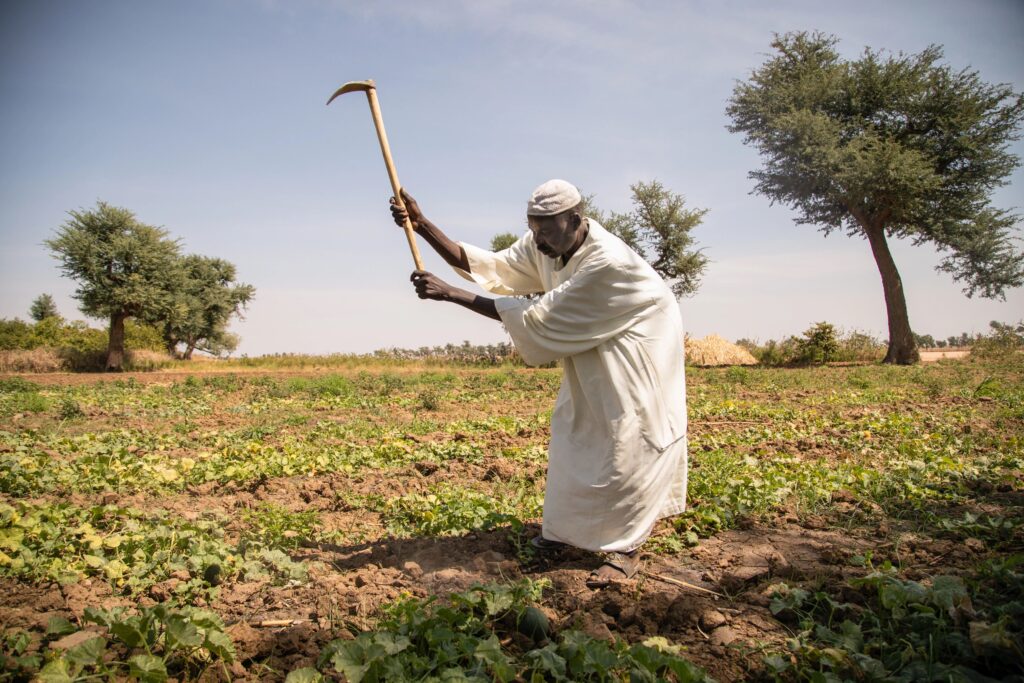
Here in Norway, we experienced varied weather this summer - with lower-than-normal temperatures in the south and a heatwave in the north. This was well received by the population, but is also an important reminder of what is happening to the global climate. The temperatures measured last year were 1.45 degrees the highest ever recorded before the industrial era, and dangerously close to the climate agreement's 1.5 degree target. The trend continues this year and on July 22 NASA measured to be the hottest on the planet. This is bad news for those who are particularly vulnerable to floods, droughts, heatwaves and landslides. The hardest hit are food producers in Africa, who feel this on their bodies in the form of crop failure, less food on the table and hunger.
Fortunately, there are methods that can prevent this and that we know work. By giving farmers access to technology and weather forecasting services, Caritas is helping to improve their preparedness and reduce hunger. They also get access to seeds that are resistant to drought and flooding, and training in varied food production. This is to ensure that the household can survive despite crop failures and that they can build emergency stocks where food can be stored over time without being destroyed. In this way, we build local sustainable food systems - from production through processing to commercialization - and contribute to job creation throughout the value chain.
Wars are becoming more frequent and more brutal
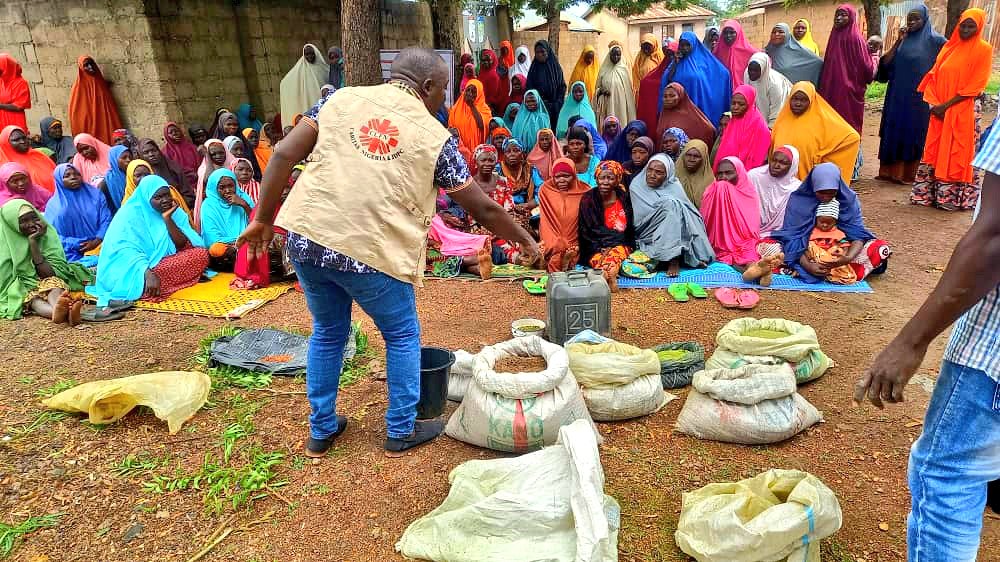
Of those living in hunger 65 percent live in conflict-ridden countries. It is therefore very worrying that the number of state conflicts reached its highest level last year since 1946, with 59 conflicts recorded - an increase of 40 percent compared to 2020. Conflicts in Ukraine and Gaza have been the most deadly, while Africa is the region with the most conflicts - a number that has almost doubled in the over the past ten years. Caritas is present in the countries in question and helps the most vulnerable in the population. That is, those who remain in their homes while the war rages around them - as in Sudan, Ukraine, Gaza, Lebanon, Central African Republic, Mali, Niger and DR Congo. And people who are forced to flee to Chad, Uganda, Italy, Spain or other countries.
The help we provide depends on the context. It could be delivering food in extreme situations, such as in Gaza where everything has collapsed. But it can also be the distribution of cash grants so that families can make necessary purchases, while helping to keep the local economy alive. Where possible, we help people to grow their own food in a safe and sustainable way. This is done by establishing kitchen gardens, right next to where people live, to prevent attacks on civilians from militias and armed groups. In this way, we ensure that internally displaced people and other vulnerable households have access to life-saving and nutritious food in a conflict zone.

Lack of healthy food is a global challenge
With more conflicts and escalating climate change, access to food is becoming increasingly challenging - even in Norway, where food prices have increased drastically. Globally, the same has meant that 2.8 billion people could not afford a healthy diet in 2022. The problem is greatest in low-income countries, where 71.5 percent of the population cannot afford healthy food, but also affects the poorest in Norway. At the same time, the World Bank estimates that each malnourished child costs society NOK 30,000 a year. This is because their physical and cognitive abilities do not develop as they should - without access to sufficient and nutritious food - and many will not be able to contribute fully to working life later in life.
Although we are running out of time to reach the goal of eradicating hunger by 2030, this is not a battle we can give up. Instead, we must do everything we can to win it. Therefore, we must:
- Address the underlying causes of hunger such as climate change and conflict.
- Ensure that those living on the brink of hunger have access to the most basic of human needs - food.
- Drastically scale up climate finance for climate adaptation and emission reduction measures in agriculture in the Global South.