
- The authorities make our job difficult
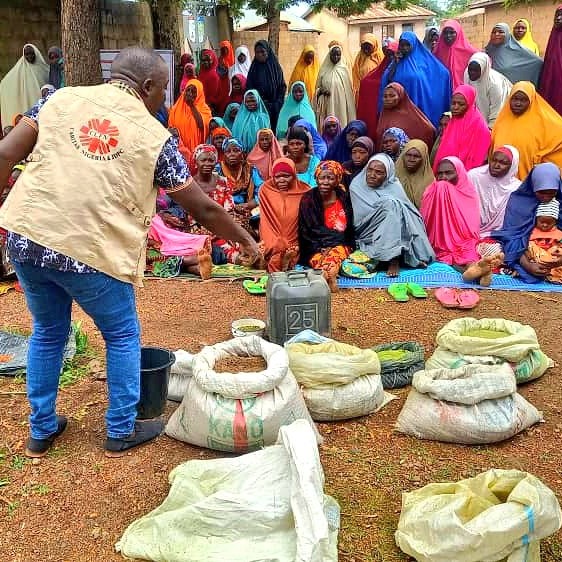
When Boko Haram took over northeastern Nigeria in July 2009, Caritas already present. Through their network, they were able to respond quickly to the humanitarian crisis that arose, and which remains precarious.
– We have achieved a lot and helped hundreds of thousands of people since our collaboration with Caritas Norway started in 2017. We are grateful for that. We are not against the Nigerian government, which is making humanitarian work and the lives of most people difficult.
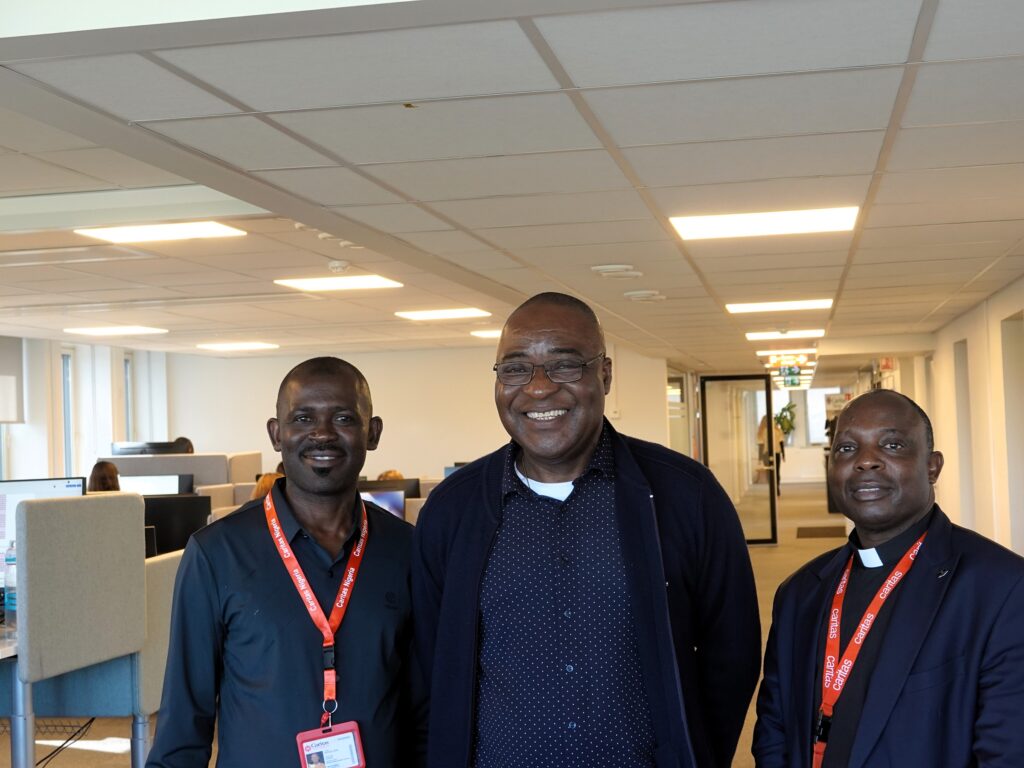
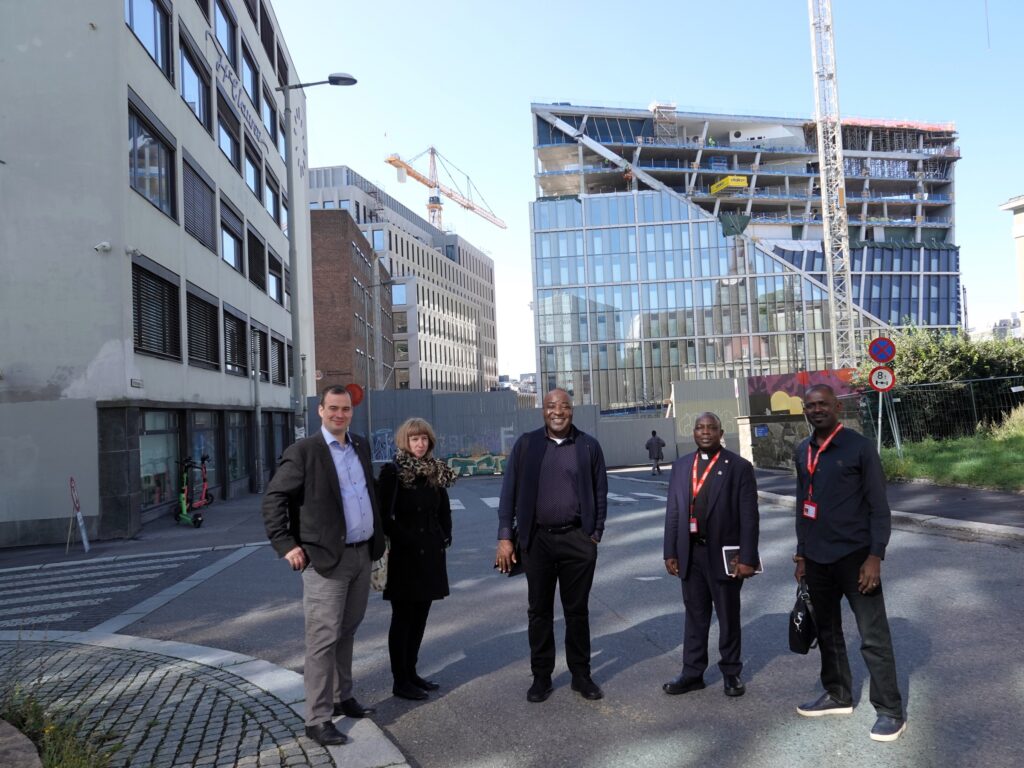
That was one of the main messages from Caritas Nigeria's Secretary General, Fr. Uchechukwu Obodoechina, Deputy Secretary General Fr. Peter Babangida Audu and Program Manager Adie Michael Agidah when they met with Norwegian authorities in mid-August.
After fourteen years of armed conflict in the northeastern states of Borno, Adamawa and Yobe, the situation has not improved, quite the opposite, says Secretary-General Obodoechina.
A major reason is the systemic corruption that permeates Nigeria – from the government to officials on the ground. The armed conflict has become a political issue that is kept alive for the benefit of the power elite. This has major consequences for the population and organizations that Caritas Figures from the UN show that two million people are internally displaced, and that 7.9 million need humanitarian assistance.
“We are deeply concerned about the situation. Recent attacks by armed groups on civilians and humanitarian actors have made our work more difficult and dangerous,” says Secretary General Fr. Uchechukwu Obodoechina.
Sent home without protection
He further explains that millions of internally displaced people have also had to leave the camps in which they have sought protection, after the government closed 90 percent of them.
People who have been displaced from their homes are now being sent home without any form of protection and away from the organizations that can help. Why is the government choosing to do this? Well, it's probably about scoring political points, adds program manager Adie Michael Agidah.
Now running Caritas , together with the UN humanitarian organization (OCHA), actively lobbying to persuade the authorities to reopen the camps.
We talk about the consequences. That it is too dangerous to return home, and that many of the internally displaced become the scapegoats in the communities surrounding the camps. This increases the pressure and competition for resources, making the situation even more difficult.
On top of this, the authorities have introduced restrictions and directives on emergency aid, in order to gain more control over the assistance provided. This makes our job more difficult, says the Secretary-General.
Exercising power
When I ask why this is so, I get the answer that the government wants to emphasize that they have power – also towards humanitarian actors.
There is a perception among government employees that the organizations are taking their jobs and that we are making money from the system. In addition, it is about integrity. Caritas and other humanitarian organizations do not go through them, but are independent actors that should work without interference from the authorities. But now they are trying to prevent that from happening.
When out there few others have access to
– Although there are many challenges, Caritas benefit from their local network. This gives them some advantages that international organizations lack.
We are present throughout the country, and collaborate with local authorities and churches who share important information about the security situation. This may have contributed to the fact that none of our aid workers have been killed or kidnapped, as some organizations have experienced. The warring parties in the conflict know no borders, and are an equal threat to all, says the program manager.
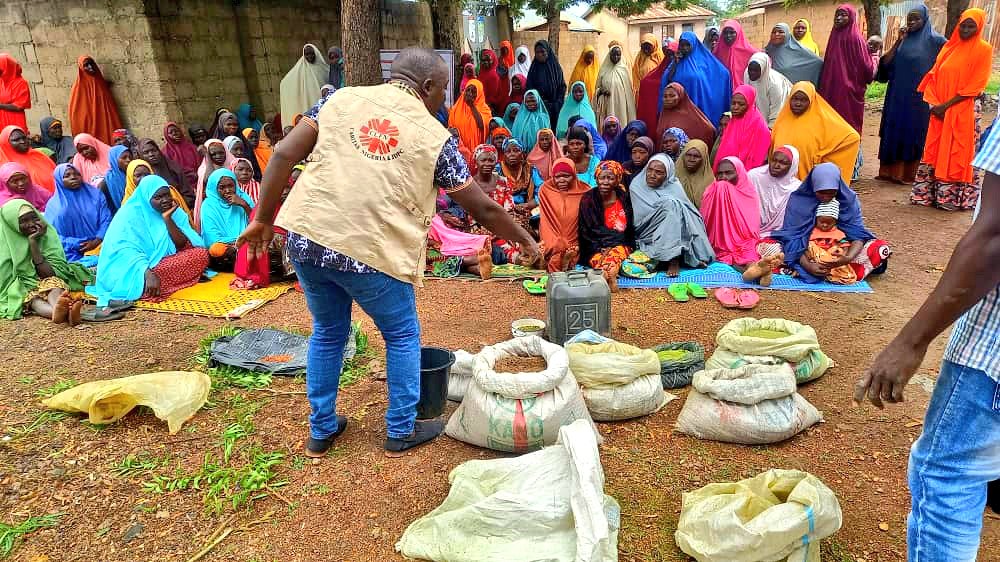
Caritas also helps the population in areas where few other organizations have access, such as the northeastern states. Long-standing conflict, climate change and food shortages make the need great. We have a special focus on helping malnourished children under five, providing people with access to clean water, training in conflict and violence prevention, and strengthening living conditions through income-generating activities.
– With support from the Ministry of Foreign Affairs and private donors, we have so far helped between 50,000 and 60,000 people annually. We are now seeking to scale up our efforts so that even more people can receive protection and improve their living conditions.