
The battle for Eastern Ukraine
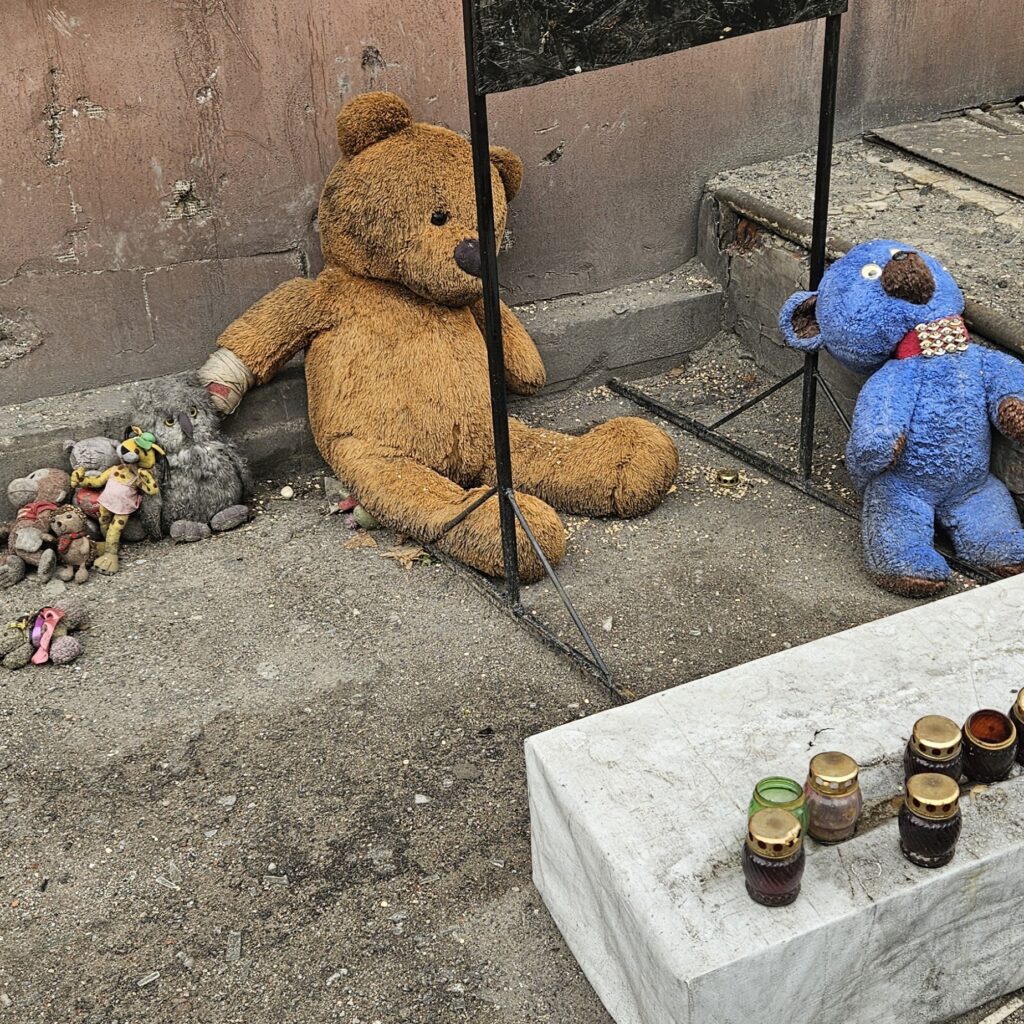
While people meet and talk strategy in Arendal, New York and Berlin, Ukrainians in the east are being outmaneuvered, step by step. They don't have enough soldiers, enough weapons and the mobilization is emptying the civil society sector of men.
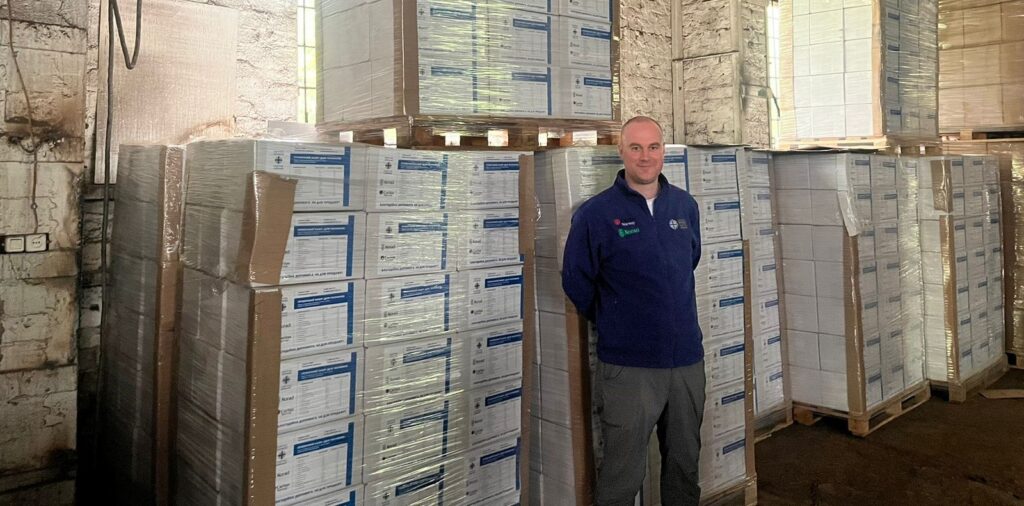
Yevgenyie is a completely ordinary man who works for Caritas in Donetsk. I meet him at the entrance door of the village hall in Novohrodivka before the summer holidays. He says hello and guides me down to the basement to see the water filtration plant that is financed by Norwegian Nansen funds. Russian forces are 10 km away and the front is completely okay, he says. Life is not normal, but ordinary for people here in Eastern Ukraine.
When Yevgenyie contacts us in August, it is to tell us that the front has collapsed. Russian forces are 500 meters away from the village. He has been driving between destroyed houses while filming what was going to happen. To ensure that the water filtration system is not destroyed in a possible attack, it has been moved 15 kilometers west. On August 28, Russian forces took the village, and we have lost contact with those who are left on the other side of the Iron Curtain.
Will not be evacuated
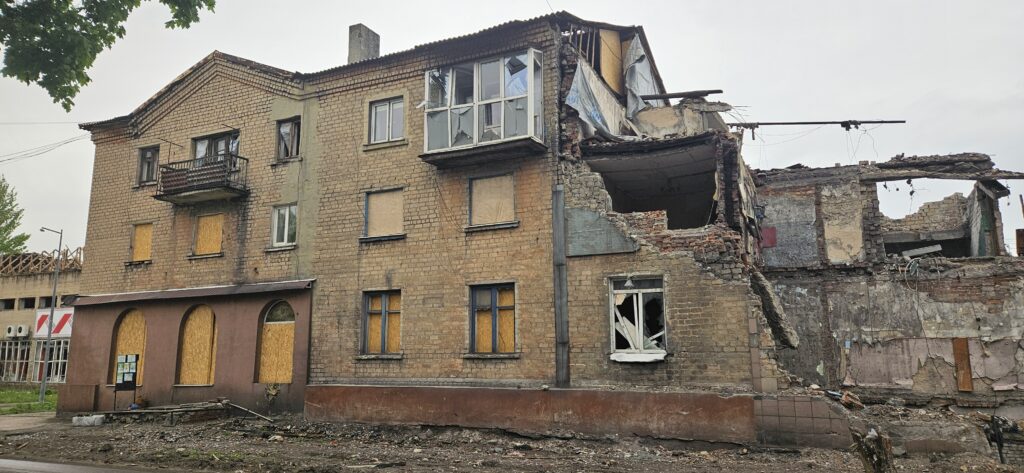
While the media has been focusing on Ukrainian victory in the north, the Russian army continues to advance step by step into Eastern Ukraine. Since January, they have covered 30 kilometers. Yevgenyie talks about evacuation, uncertainty, the sound of gunfire and drones in the background. Many refuse evacuation, especially the elderly. They see no future as refugees. They would rather die at home than in a detention center in Western Ukraine with 400 euros in their pocket, or in a nursing home in Norway. With support from Caritas In Norway, we continue to help those who remain and those who wish to leave, with vital assistance from the Nansen package.
The story of Ukraine is a double story. One about victory, resistance and heroism and one about what is disappearing behind the Russian Iron Curtain. The media unfortunately devotes little time to these places. We saw this coming. Small villages in the east and the people who live there lack both strategic importance and access to the outside world.
Silent behind the Iron Curtain
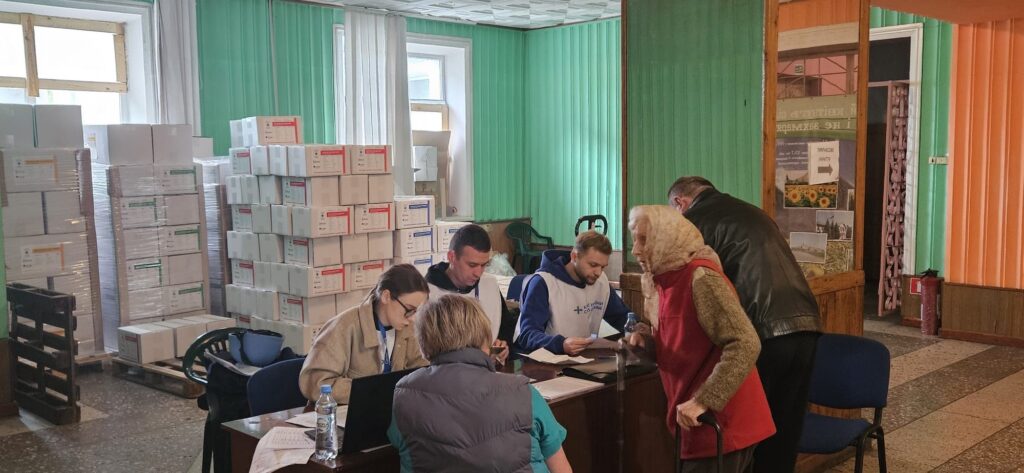
We know little about those living in the villages that have already been taken over. Communications are often monitored by Russian authorities and social media is silenced for fear of reprisals. Children disappear into the Russian hinterland and Ukrainian men go into hiding. We in Caritas Still talking to colleagues behind the Russian Iron Curtain, but it's dangerous.
The idea of peace negotiations therefore becomes extra difficult because Ukrainians think of friends and family they may never see again. Those who lie dead at the front. Peace is not only strategy, but also memories of those who stood, those who disappeared and those who died. Those who cannot be heard on the other side. Every nation has a social contract to protect its citizens. If this is broken, the nation also slowly unravels. While many support negotiations, even giving up territory, people in the east see a ghost in the white of their eye. They hear what is walking towards them.
Angry on behalf of the man
Like all civil society organizations, they also struggle Caritas with the mobilization. Ukraine needs men and women. Civil society needs the same. One of my colleagues has a husband in the east. She no longer knows what he is fighting for after two years in a trench. She is angry. Angry that she does not get to see him. Angry about the lack of rotation. Angry that her husband is 45 years old and sitting in mud and water with his face turned east, and not towards her. But she is also proud.
Many had hoped that a Ukrainian victory in Kursk would draw Russian troops away from the east, but right now, eastern Ukraine may be Putin’s only and most important victory. Understandably, the media is talking about Ukrainian progress, which could help lift the mood in the war-weary country. It shows that the Ukrainian defense is effective. But for those living in the east, a Ukrainian victory in the north is yesterday’s news. Every meter taken by Russian forces may remain Russian.
Civil society needs more support
Support for civil society is therefore vital because it stabilizes what is left. It prevents Eastern Ukraine from collapsing, emptying of people and the disintegration of the basis of life. When every meter counts, so does every person we can give a better life to and every person who works for this. Yevgenyie from Caritas is just one of the many locals doing the job that needs to be done. I think of him often and hope the drones I heard in Novohrodivka before the summer, and the gunshots in the background on his phone remain the background and not the future.