
War by other means
Western sanctions against Syria have little effect beyond increasing the hardships of a war-weary people.
From the hotel's rooftop terrace, the view of Aleppo is as it was before the war. At least I don't see the massive destruction from here, even when I squint at the city's historic fortifications and the eastern horizon. From the twenty-second floor, it's hard to imagine the bloody nightmare that unfolded when Aleppo was a divided city.
A friendly waiter strikes up a conversation on the otherwise empty rooftop terrace. When I ask where he lives, he points in the direction of al-Midan, home to many of Aleppo’s Christians. The downtown district was on the front line between government forces and rebels during the civil war. Most fled the area. Many never returned.
Economic war
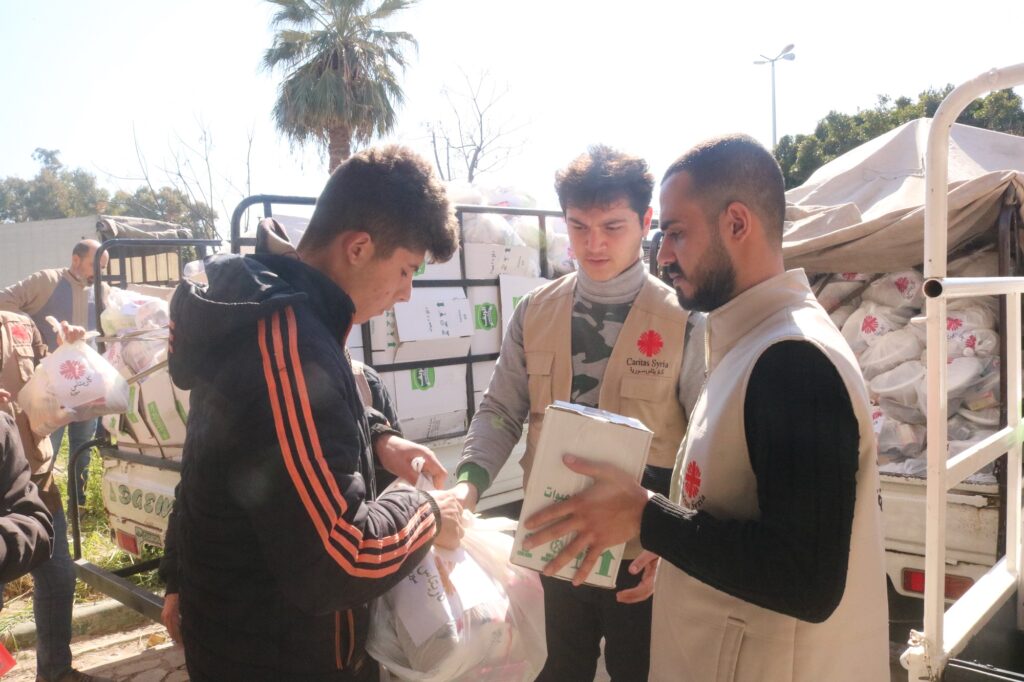
It has been a long time since the fighting in Aleppo has stopped, but the waiter says that the war is still going on: – It is an economic war now. He is referring to the international sanctions against Syria. He says he does not believe in any future for Syria as long as the situation persists. I hear the same message several times during my stay.
More than seven years after government forces, with Russian and Iranian help, recaptured eastern Aleppo, Syria is still the target of a patchwork of economic sanctions from the EU, the US and other individual countries. Some target individuals in and around the Syrian regime responsible for gross human rights violations and crimes. Other measures target Syria's trade with the outside world, through embargoes and trade restrictions, as well as exclusion from the international banking system.
Sitting safer than ever
The Western consensus has been that the Assad regime must reach a political solution with the opposition before normalizing relations with Syria becomes a matter of concern (before that, again, it was often said that Assad had to step down). But there is little indication that an ongoing negotiation process under the auspices of the UN, led by the Norwegian diplomat Geir O. Pedersen, will achieve anything. Because if anyone can be said to have won the war in Syria, it is the dictator who the uprising in the spring of 2011 targeted. Bashar al-Assad is now more secure than ever after the Arab Spring. Syria's territorial integrity is being eroded by rebels, Kurdish militia forces, Turkey, the United States, Iran, Russia and Israel. But Assad rules over most of the country. The rebel areas have been reduced to rubble, and many of those who lived there have been driven away. The watchful eye on the portraits of Assad follows those who remain everywhere in public and far into the private sphere.
Millions need emergency response
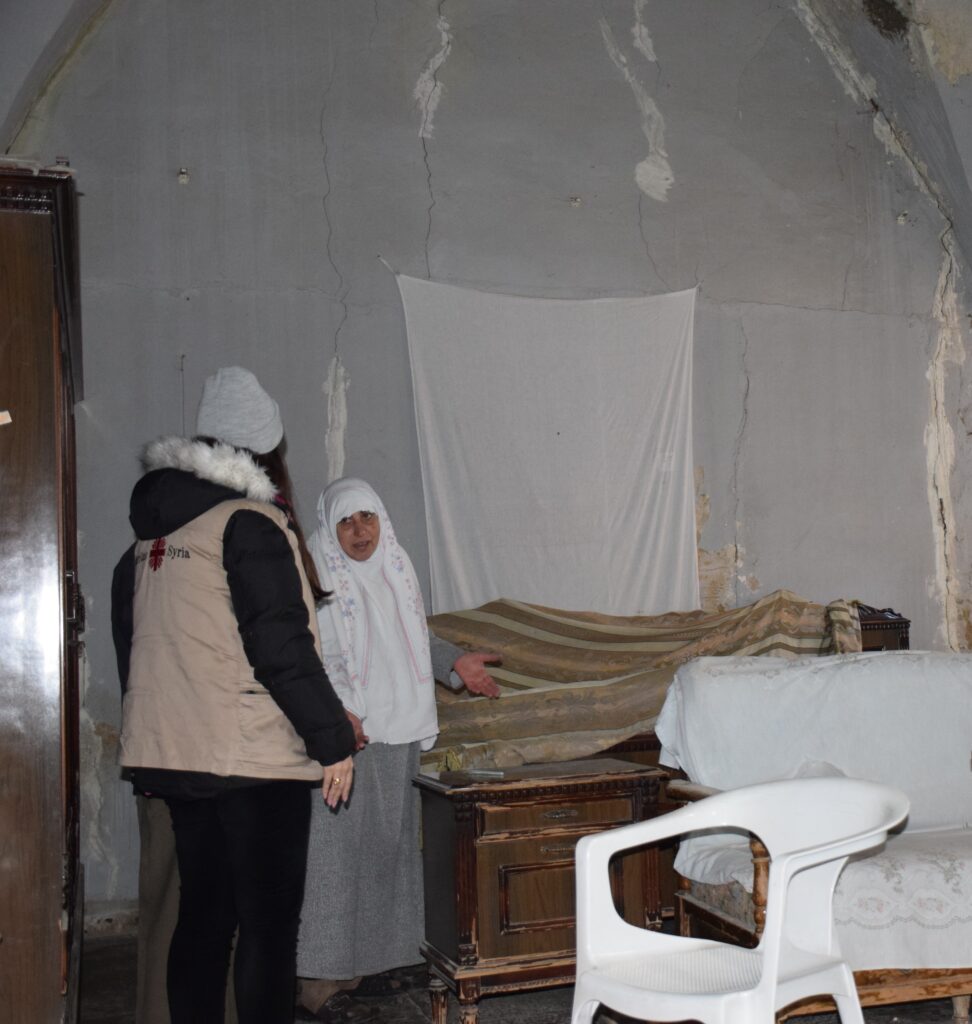
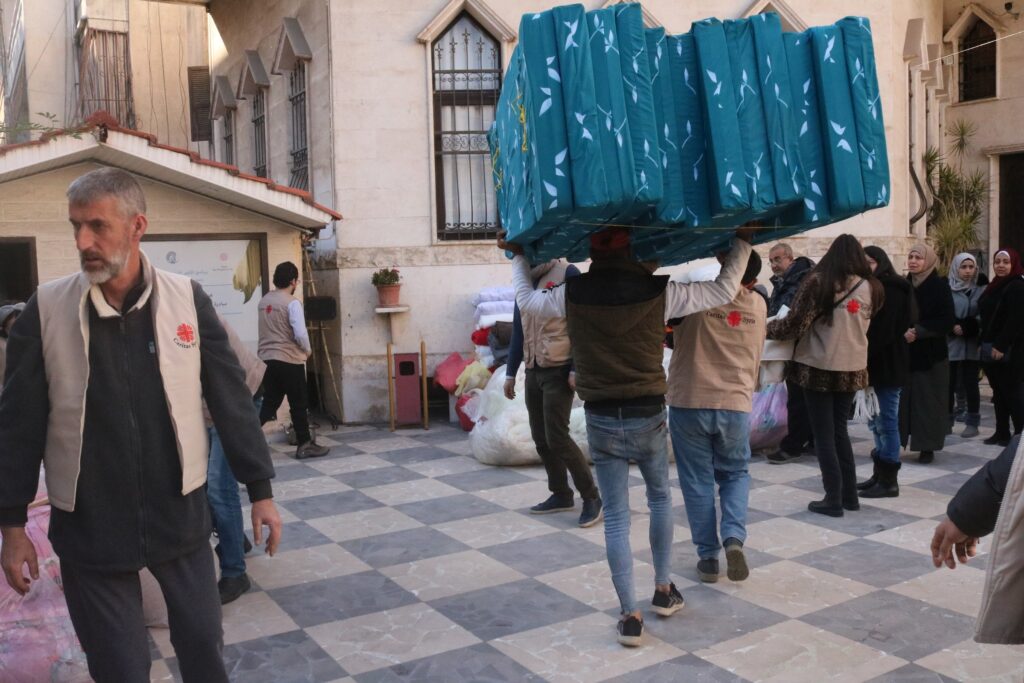
A majority of Syrians are in need of emergency response , according to the UN. Large parts of the country still lie in ruins. Over five million Syrians have fled abroad. The deep humanitarian and economic impasse that Syria finds itself in is, of course, a direct result of years of warfare. Authoritarian misrule and corruption have also permeated the Baath Party state's sixty-year history. At the same time, Western sanctions are also hitting ordinary Syrians. Now they have shivered through another winter, because kerosene is hard to find. The sanctions are affecting their ability to travel, shop, access to goods, health services and other public infrastructure. Hyperinflation is eating up wages and savings. Reconstruction is failing.
Paradoxes
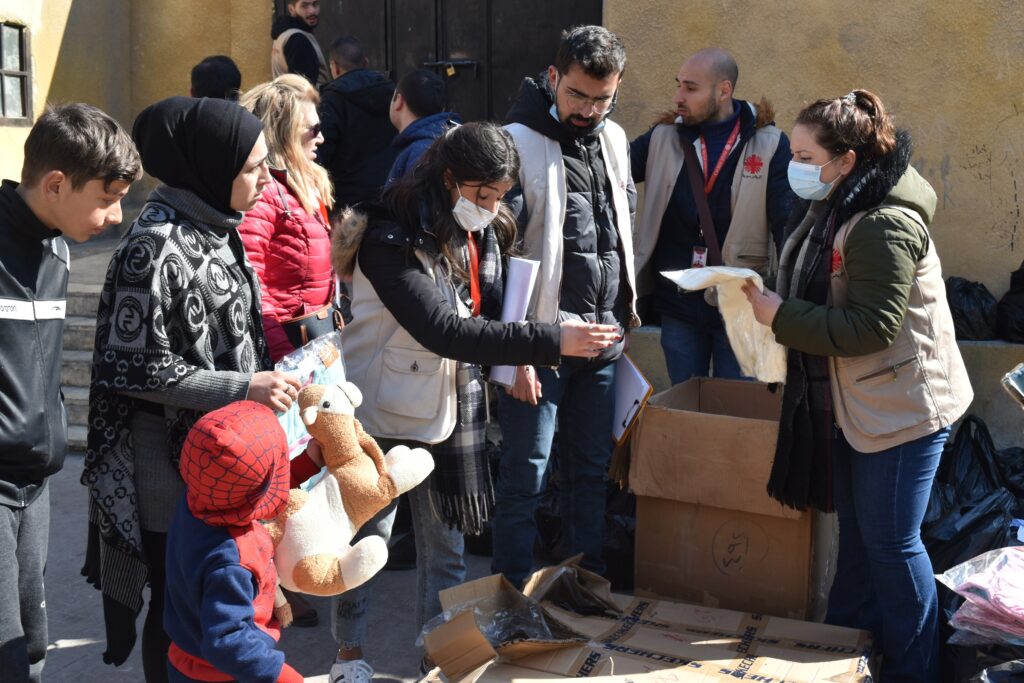
There are several paradoxes about the sanctions against Syria. They are intended to undermine the regime, but at the same time they give it an opportunity to shift its own heavy responsibility for the economic impotence – and the people’s discontent – onto the West. At the same time, many of the countries that are working most actively for sanctions are also the same ones that provide the most humanitarian assistance to the country. It is obvious that they should stop. The need for humanitarian aid will in any case not be diminished by the sanctions. The sanctions regime also puts a damper on humanitarian work.
The most comprehensive sanctions package against Syria is the US “Caesar Act” that came into force in 2020. In addition to strict restrictions on trade with Syria, the law also allows for punitive measures against third countries and companies that do not comply with the sanctions regime. “Caesar” is the code name of a Syrian police photographer who defected and smuggled out images of thousands of Syrian prisoners who had been mistreated and starved to death in the regime’s dungeons. The Caesar Syria Civilian Protection Act is the full name of the sanctions law, which places major material and financial obstacles in the way of the reconstruction of Syria. However, how the law will be able to protect Syrian civilians remains unclear.
Fear of losing face
While the Arab world is in the process of normalizing relations with Syria, Western countries continue the sanctions regime. For the United States, it is perhaps mostly about vicarious motives. Beneath the stated concern for the Syrians and their human rights lie more powerful interests, such as containing the influence of Syria's ally, Iran. For some other countries, the continuation of the sanctions regime is perhaps as much the result of a lack of political imagination and room for maneuver. And fear of losing face: it is deeply ingrained to acknowledge that one never got anywhere with one's ambitions for Syria.
There is no reason to normalize relations with a regime that is behind monstrous abuses against its own population. However, if we are to put the consideration of the Syrian population above Western prestige, all countries that take part in the sanctions should look at how to dismantle measures that primarily harm ordinary people. This also applies to Norway. A natural place to start would be to challenge our allies on the intentions behind the sanctions, and their effect.