

There is rarely positive news from Uganda, most recently with the new bill that could result in the death penalty for homosexuals. What we don't hear about is that the country is one of the best in class at taking care of refugees from the surrounding areas - work that is now threatened by sharp cuts in international support.
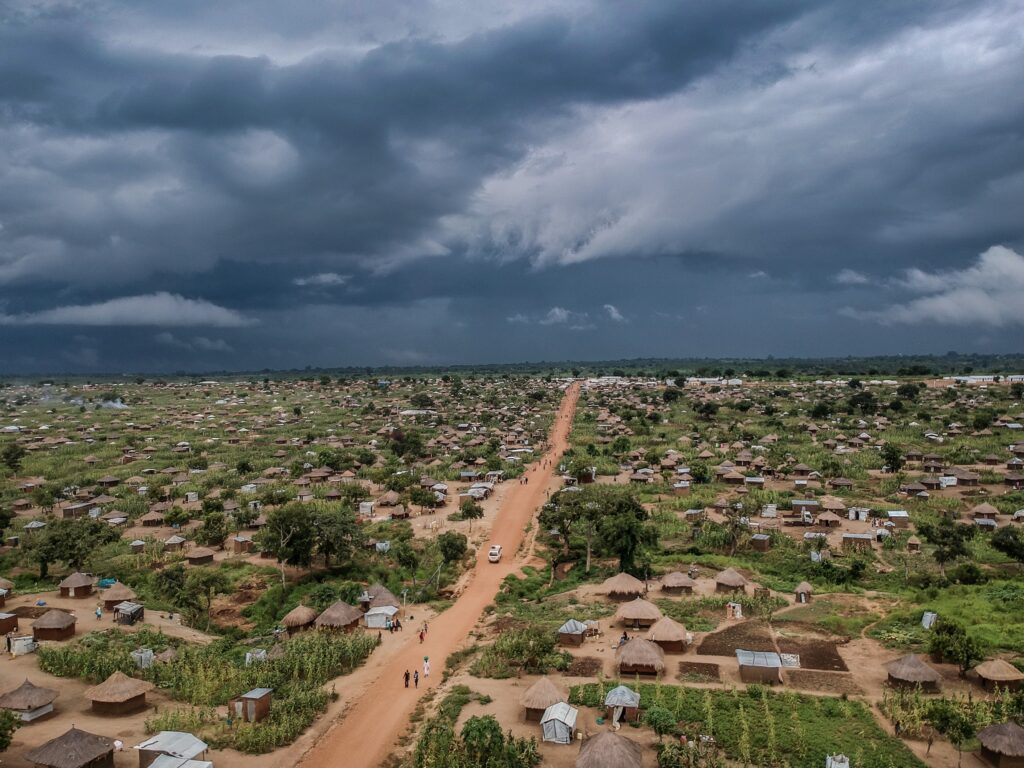
Despite major social challenges, Uganda is a stable refuge for millions of people who have fled wars and disasters in neighboring South Sudan and DR Congo.
Uganda is one of the top five countries in the world for accepting refugees, and the government has saved hundreds of thousands of lives through its liberal refugee policy. Instead of viewing refugees as a burden, they are embraced as a resource and contributor to the development of the border areas, which are still marked by the civil war that lasted until 2007. Europe, with its strict asylum policy and high border walls, has a lot to learn here.
Vital help is not forthcoming
But now serious underfunding is threatening the good refugee work. Increased food and energy prices, as a result of the war in Ukraine, have led international donors to prioritize their own local areas. At the same time, the World Food Program has cut its food rations by 60-75 percentas a result of a "vulnerability approach" where only the most disadvantaged receive aid.
For Uganda, this means that vital aid is not being delivered. This negative development shows the need to think more long-term in humanitarian work - especially in complex and protracted crises such as Uganda's. From day one, sustainability must be a goal, which many international donors do not facilitate in their emergency response.
Need for more long-term perspective
An important goal is to ensure the population stable and sustainable access to food, and with Norwegian support, Caritas reaches around 45,000 refugees and local host communities. It is particularly important to ensure a reduction in malnutrition and undernutrition, and to invest in local businesses and income-generating activities in the community. This strengthens the resilience of refugees and host communities to external shocks and reduces their dependency on aid in the future.
Such measures are necessary to meet growing humanitarian needs, but are unfortunately neglected in many crises where the funds are unpredictable and must be converted with a far too short time horizon.
Security threatened
Although underfunding makes the work more difficult, the authorities are facilitating a solid and comprehensive refugee response by integrating them into the country's development plans, with the aim of improving living standards. They also take responsibility for coordinating the presence of different international organizations to ensure a broad coverage and avoid duplication of efforts.
In the country's twelve refugee settlements, all newly arrived refugees will be given a plot of land on which to grow food. They are given access to education, work and can move freely in society. When it is safe to travel to their home country, they can do so, and then return to their new home in Uganda. It is also laid down in the framework for the response that all work that benefits the refugees in the settlements must also benefit a percentage of the local population. This is to avoid conflict and friction, and to improve living conditions in an area that has been hard hit by the civil war.
Need international support
This work costs money. Uganda needs international support to continue to work holistically with refugees in a dignified and humane way. The conflicts in DR Congo have escalated recently, and hundreds of thousands of refugees are streaming across the borders in the hope of a safe life.
It is under threat now - and to top it all off, parliament has passed a law that will weaken the basic human rights of gay people. This law is now waiting for President Yoweri Museveni's signature so that it can come into force. We hope he takes inspiration from Pope Francis and other religious leaders who, on a recent visit to the continent, stated that criminalizing homosexuality is a sin.