
Hoping for better times in Venezuela
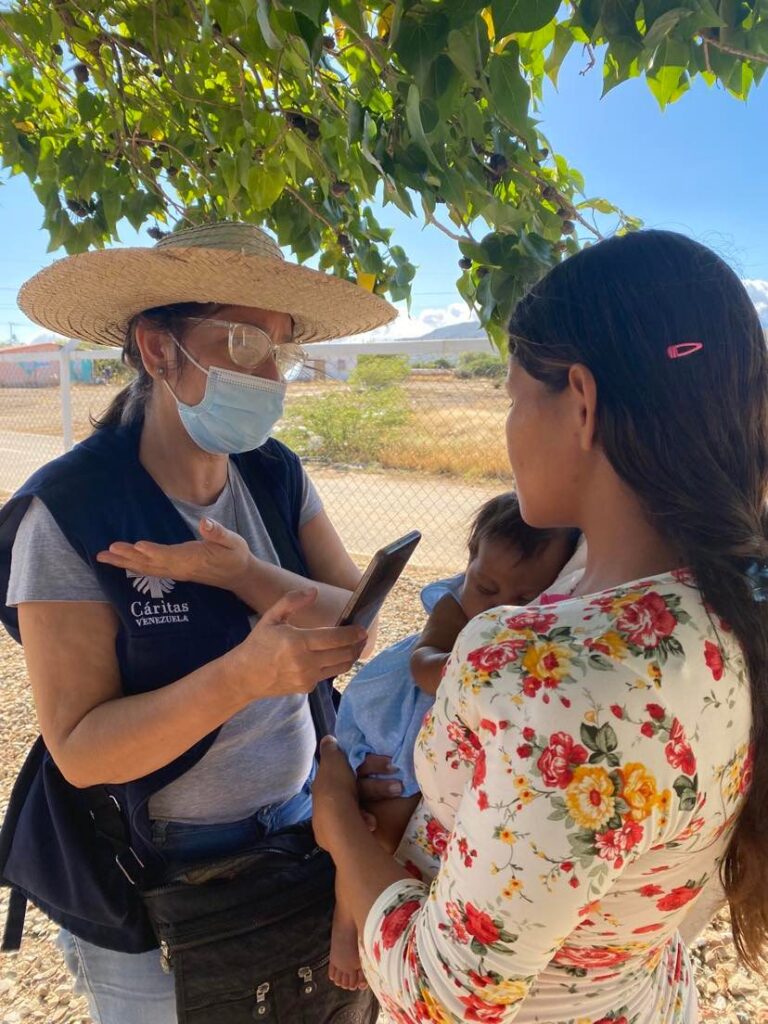
On July 28th, there will be a presidential election in Venezuela. If there is a change of government, there is hope for better times for the hard-pressed population.
When Nicolás Maduro took power in 2013, it didn’t take long for the country’s economy to decline due to corruption and mismanagement. In recent years, a humanitarian crisis has hit the country, and by 2024, 53 percent of the population of 28 million people will live in extreme poverty. For the individual, this means they don’t get enough calories per day and risk starvation. Long-standing sanctions are largely to blame.
Large social differences
The sanctions mean that many goods and services are priced in US dollars, which weakens the purchasing power of citizens. This particularly affects public employees, pensioners, the unemployed and others who receive salaries and social benefits in bolivars – the local currency with a much lower value than the dollar. While stores are overflowing with goods, social disparities are increasing. At the same time, the number of human rights violations has also increased. Activists have been imprisoned and political opponents banned.
Long-awaited change
The situation has caused almost eight million Venezuelans to flee. A change of government is long awaited . If the opposition candidate, Edmundo González, were to win, it would hopefully mean an improvement in the economic, political and humanitarian crisis. But things are not looking good. González is a former diplomat and unknown to most. He was nominated just before the deadline, after his two predecessors were banned . In order to gain confidence and secure a third presidential term, Maduro has now announced that he is willing to negotiate with the US government to lift the sanctions.
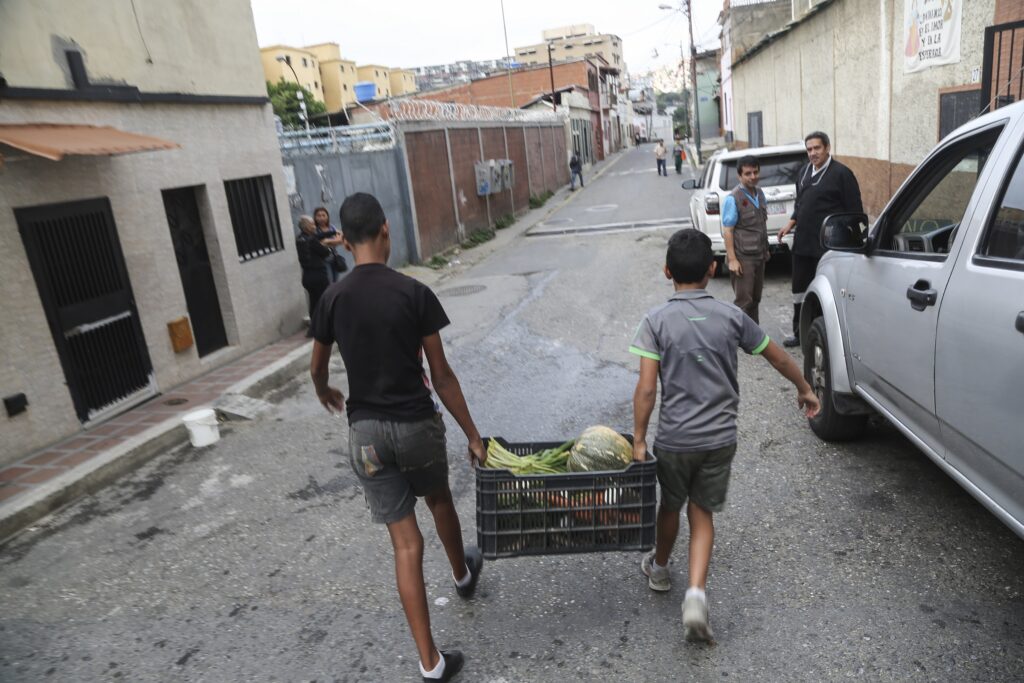
Seeing the suffering up close
As the country's largest humanitarian organization, Caritas Venezuela is witnessing how people are suffering as a result of the crises. With support from Norway, among others, we reach hundreds of thousands annually, with a special focus on food security to malnourished children under five, pregnant and breastfeeding women and other vulnerable groups in the population. If there is a change of government, it will hopefully mean an improvement in living conditions and purchasing power, but also fewer human rights violations, an end to the repression of political opponents and civil society organizations. And that people who have fled will return.
Venezuela faces a fateful choice. Regardless of the outcome, we ask the Norwegian government to:
- Continue leadership and commitment to peace issues.
- Continue work to support democratic processes, promote dialogue and reconciliation.
- Work on re-institutionalization of the state.
- Support a community culture of nonviolence, peace, and tolerance that lays the foundation for a new democratic structure in Venezuela.