
The world's most dangerous job?
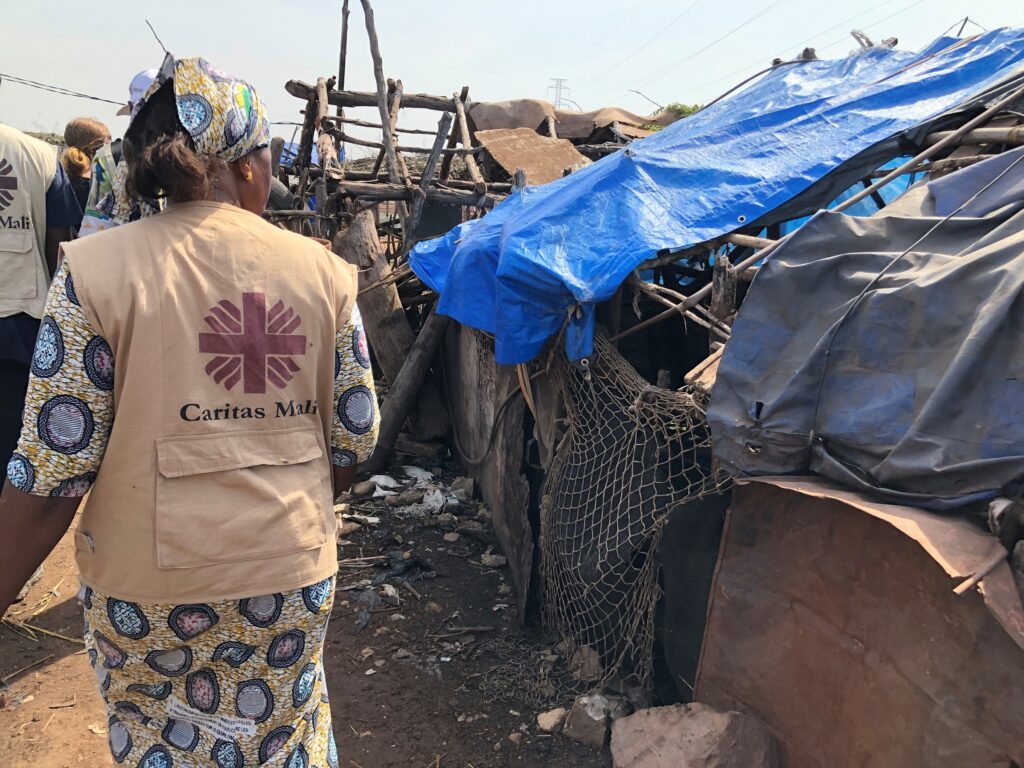
The international law of war, which is supposed to ensure special protection for aid workers in war, is under pressure . Last year, 237 aid workers were killed, kidnapped or injured – a grim record with a 120 percent increase from the previous year.
With the war in Gaza already claiming at least 224 lives , the toll will be much higher this year. Three of those killed were employees of our local Caritas partner. Also in Ukraine, several of our colleagues have been injured or killed as a result of Russian attacks. The most serious was the rocket attack on the office of Caritas Mariupol, which was marked with the humanitarian flag, and which took a total of seven lives. On April 5, we were hit by a new tragedy, when the car carrying Caritas Niger's humanitarian team on a mission in Diffi was shelled, killing the 25-year-old driver.
No one can feel safe
Every death in war is tragic, no matter who is affected. But the fact that the safety of aid workers has deteriorated so much is frightening and should have consequences. If those who distribute food, water, medicine and other equipment are not adequately protected, it hurts those who suffer the most – the civilian population. When even aid workers cannot feel safe, no one can. According to Humanitarian Outcomes , attacks on national and local organizations are increasing.
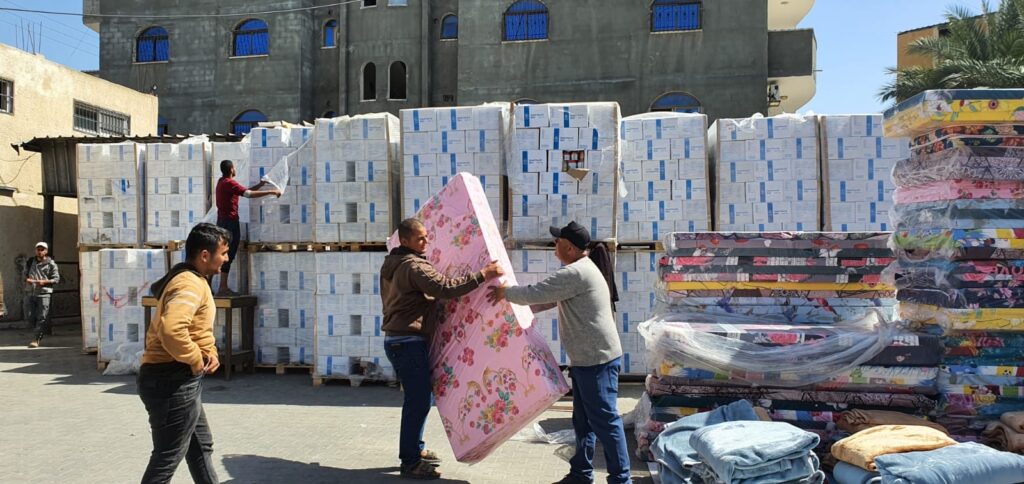
Vocational training for youth
As the world's second largest humanitarian movement, Caritas aid workers in more than 200 countries, including South Sudan, which last year was the most dangerous place to work . In addition to increasing food security As a goal, an important part of the work is about creating peace. We do this, among other things, by providing vocational training to young people, so that they can find work and an income. This reduces the risk of them being recruited into armed groups.
Adapting to the situation
Caritas is present in many countries affected by conflict. We have our own security personnel and are constantly adapting to the situation, so that efforts are concentrated where the needs are greatest. In Ukraine, we have closed offices in the most dangerous areas, while employees continue local relief work. Many of the Caritas -employees in Gaza are themselves displaced, but are still distributing emergency response despite the extreme situation. Like the rest of the population, they are threatened by famine, and the time they are not spending helping others must be spent getting food for themselves and their families. This had fatal consequences for one of the employees, who was killed while standing in a food queue just before Easter.
International law must be respected.
With Putin and Netanyahu's warfare in Ukraine and Gaza, we have seen many examples of aid workers not receiving the protection they should have been guaranteed in line with international law, despite strong warnings and reactions from the UN and the international community. This must have consequences, and action must be taken to ensure that this does not become the new normal. The protection of aid workers is more important than ever. In order for their safety to be better safeguarded, this must be included in the new humanitarian strategy that the government will soon present:
- International law must be fully respected and humanitarian principles must guide all activity.
- Norway must push for local actors to be guaranteed the same protection as international ones. Supporting investments in their security and emergency preparedness work is a first step.