
Two years of war and hope for a better future
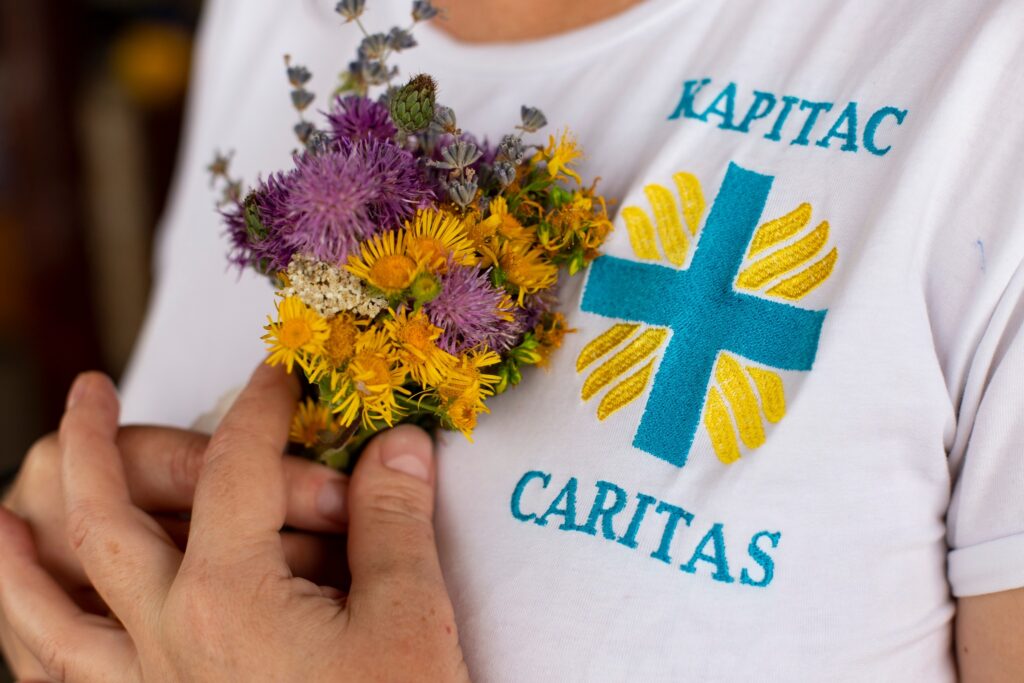
Two years have passed since Russia launched its large-scale invasion of Ukraine. Our representative in the war-torn country reflects on the importance of hope, perseverance and human relationships in war.
And your life will be brighter than noonday; darkness will be like the morning to you.
Job 11:17
Winter darkness descends early on the streets of Kyiv in February, but as in the story of Job, one of the Bible's most inscrutable stories, there is hope for a different reality. As Caritas As Norway's representative in Ukraine, I often think about the path forward for the war-torn country. After 30 years of independence from the Soviet Union, Ukraine is perhaps in its most fateful period since 1919; the year when the Ukrainian desire for independence was crushed by the new government in Moscow that took over after the fall of the Tsar.

Thousands of victims
The current conflict, which began in 2014, has claimed the lives of thousands of young women and men and an unknown number of soldiers on both sides. Europe is once again seeing the outlines of an iron curtain descending across a frozen front somewhere in the middle of Ukraine. But precisely where it seems most hopeless, there lives a hope, or perhaps a dream, of a better future. We in Caritas participate in that dream with concrete measures, large and small deeds, to make life easier for the many who are affected by the atrocities of war.
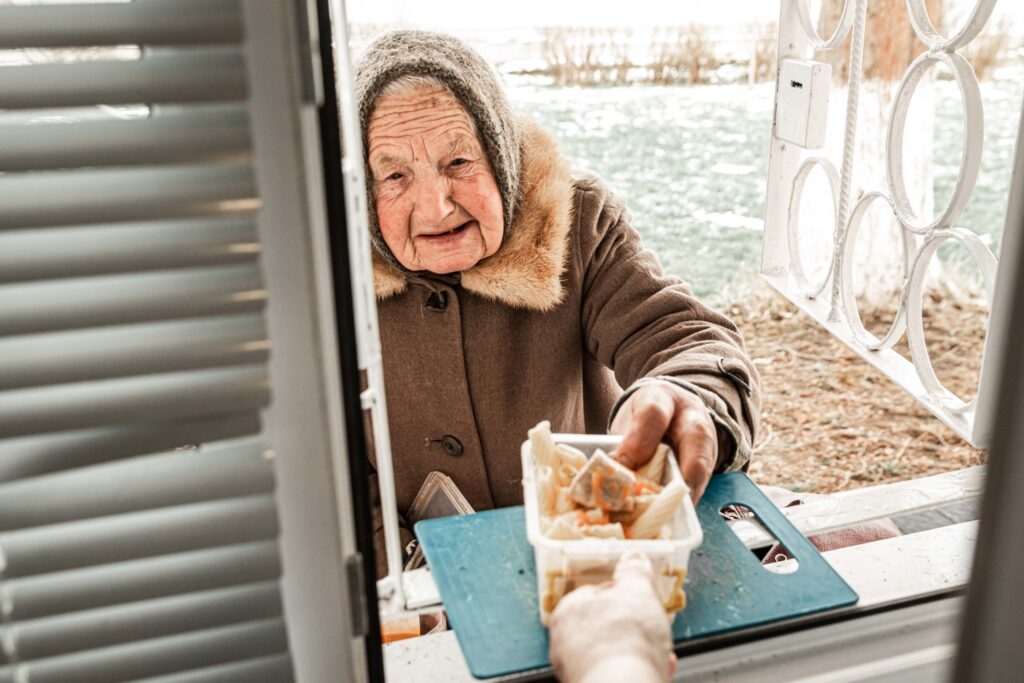
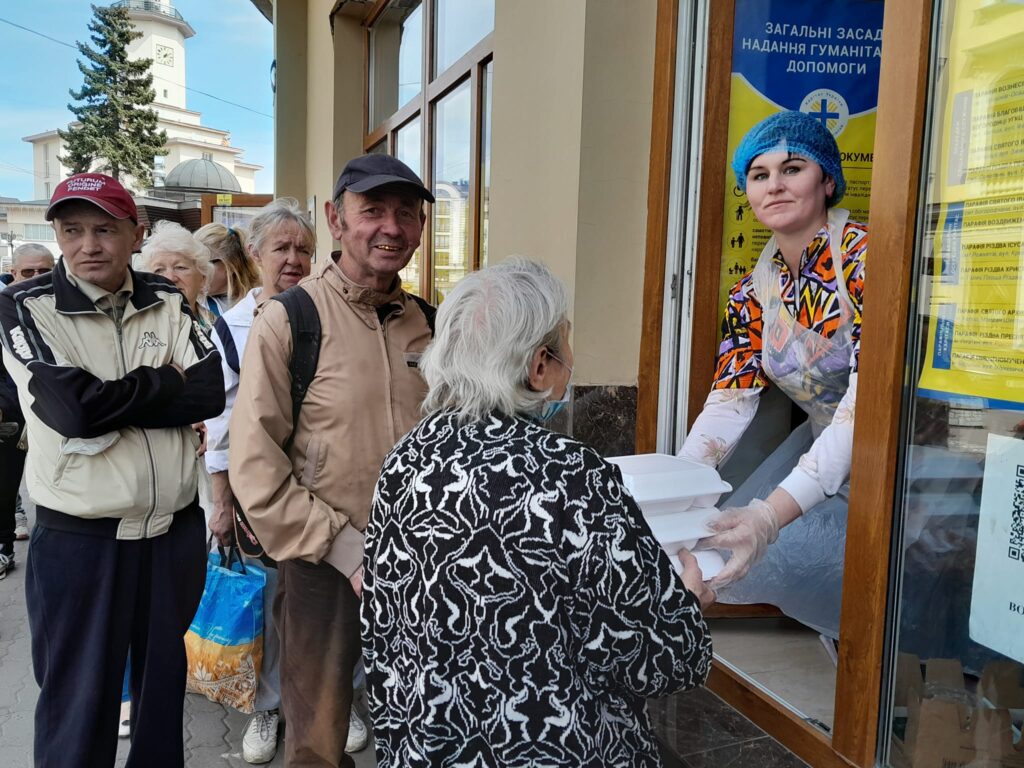
Where houses are destroyed, we help with repairs. This enables families to move back and start over. Access to clean water is vital. Caritas supports projects that build, purify and distribute water. We have distributed food, clothing, supported kindergartens and centers for the most vulnerable.
Meeting gratitude
When I travel around, I am most often met with deep gratitude. Gratitude that someone in Norway, far from the front in Ukraine, actually cares. Sometimes I am amazed. Why shouldn't we care? I think. But when you think about it, it is far from Kharkiv to Oslo, or from Odessa to Lofoten, both geographically and mentally.
In the shadow of war, the days in Kyiv, where I work and live, go by as usual. The city has its good days and its bad days. When I first arrived in October, they had gone 50 days without an attack. A morbid record, but you take what you get. In November, Russia's winter campaign began. The goal is to destroy as much infrastructure as possible, especially energy. When Ukrainians freeze, they give up more quickly, perhaps the logic is. But even after two years of war, Ukrainians are far from giving up. Too many men and women have died for a cold apartment or cold water to break the morale of a people in battle.
Candles and hope
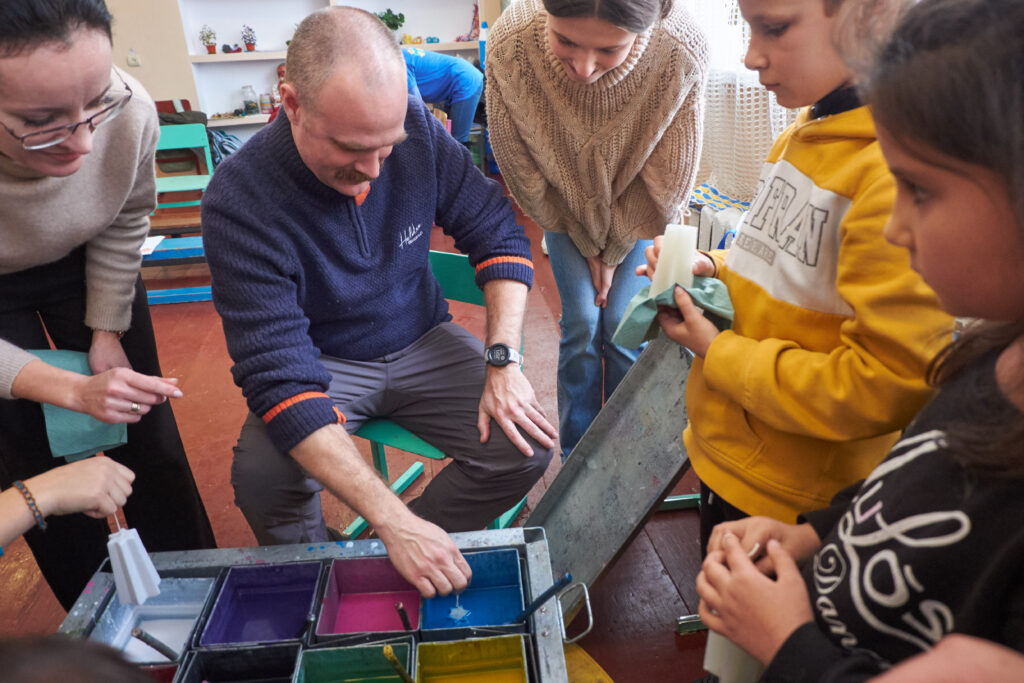
I visited a school for the hearing impaired in a small village in western Ukraine before Christmas. There they make candles for Ukrainian soldiers, the kind we often put outside our doors on Christmas Eve to welcome guests and show them the way. They collect candle wax from churches and homes and use the leftovers. Small pieces of different colors are placed in cardboard boxes. Everything is then melted down and poured into a used tin can, the cardboard used as a wick. And then the candles are transported to the front by truck once a month.
The production line from a boarding school mess hall in western Ukraine to soldiers fighting on the eastern front speaks volumes about the unity that has established itself in Ukraine. Each candle brings warmth and hope to a cold soldier as much as it gives hope to the boys and girls who make the candles – hope that they have a future in the country.
Inviolable dignity
IN Caritas we often use the expression the inviolable dignity of man. I often think of the word inviolable, precisely because the nature of war makes it so difficult to live up to this dignity. War destroys the stitches in the yarn that holds everything together. I am on a field visit outside Kyiv with a colleague when she suddenly gets a phone call. Her face sinks and she starts to cry. Her colleague in the office, a man in his 60s, has just called and said that his son has been killed at the front. Our colleague and the son know each other well. We try to comfort, but what do you really say? There are probably hundreds of such phone calls a month in Ukraine, to mothers and fathers, grandparents and lovers.
At the office a few days later, we meet the father again. He smiles and serves coffee. At first we don't quite understand what's happening. But in conversations with our colleague, we do understand. He honors his son precisely by continuing to fight. The job he does in Caritas , is his contribution to Ukraine's freedom struggle and his daily commemoration of his own son. I don't think there are many people back home in Norway who would have gone to work straight after losing a child, but in Ukraine there is only one way, forward.
Ukrainians are persistent
I began with a verse from the book of Job because I sometimes feel that many Ukrainians feel alone. Alone against overwhelming odds, alone as a refugee in Europe, alone with a war that is always humming in the background or lying like a lump of unrest in the stomach. As for Job, it is difficult to see a way out of it. God tests Job in the story. Now the war in Ukraine is not a test, neither from God nor anything else. But the story of Job also shows a steadfastness and a will that is almost total. There is something all-consuming about living in war. But Ukrainians are persistent.
Vital presence
If you ever arrive at the train station in Kyiv, you will see, standing with bouquets of flowers in hand, men of all kinds. Some are big and handsome, others a little more disheveled, but just as welcome. In rows they stand, waiting for their most precious, family or friends, to come visit. It is a bit reminiscent of the first scene in the movie “Love Actually”, where we see the arrivals hall at Heathrow and travelers embracing family and friends. Perhaps the inviolable is most human in such situations because you fully see a picture of what a person really is, a relationship to something else.
Our relationship with Ukraine is our contribution along the way, so that Ukrainians do not walk alone. We in Caritas has a unique presence at the local level and collaborates with local Caritas -organizations that have local knowledge and local affiliation. I know that our support and our presence are vital for Ukraine. Our support gives people and countries opportunities, security and hope. Let us see a future for Ukraine through the human relationship that is the mask that holds it all together.