
Vocational education provides new opportunities

Never before has the difference between rich and poor countries been greater. The situation seems hopeless and insurmountable, but there are solutions. One of them is to ensure a better future for young people through vocational training. Business should play a greater role in this.
Through our work, we have learned that vocational training for young people benefits the whole family and the local community. Therefore, we believe that investing in skills development for young people is particularly important now that the pandemic has sent many into unemployment and extreme poverty.
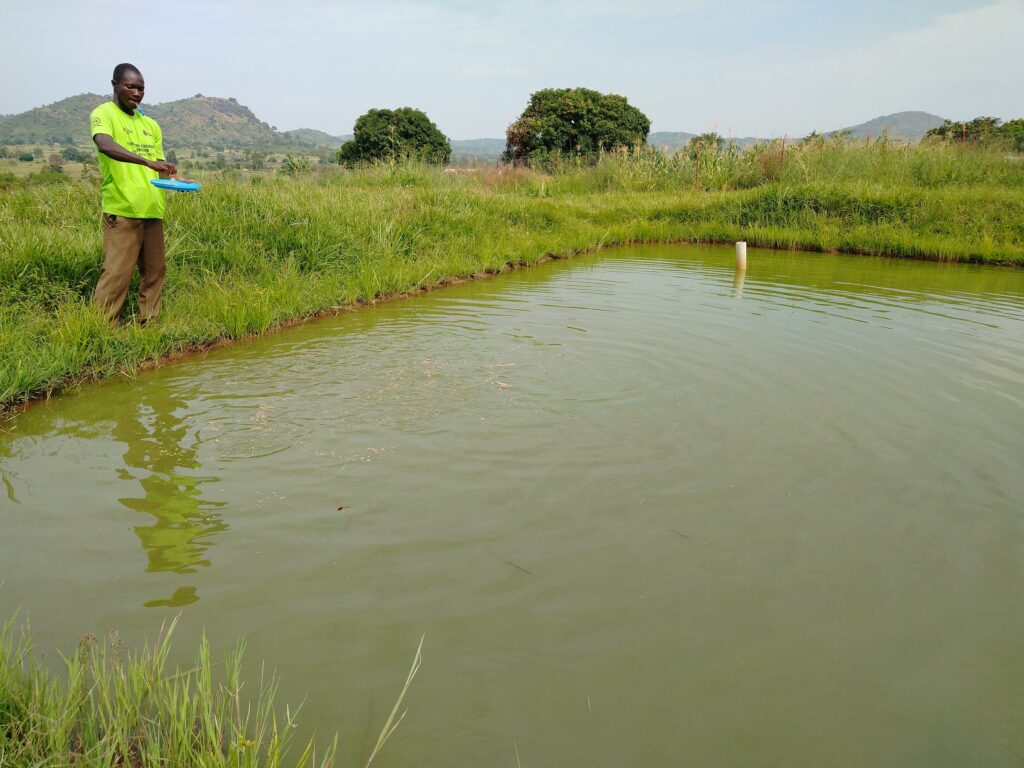
We base this on good results in several countries we work in, such as Uganda. Through a collaboration with the Norwegian company Hauge Aqua and Caritas Uganda, more than 1,000 young people aged 16 and over have completed a six-month training course in aquaculture and entrepreneurship. Almost all of them are now employed, and several have started their own businesses and now make their living from fish farming, as well as activities related to the fish farming sector.
The project was carried out in Gulu - a state in the north of the country near the border with South Sudan that is characterized by high unemployment and poverty after many years of internal conflict, as well as refugee flows from neighboring countries. The need for income-generating work is crucial. It contributes both to food security, poverty alleviation and reduced conflict levels.
Income and healthy diet
The Government's new food security strategy aims to strengthen Norwegian efforts in small-scale agriculture and associated value chains, including through increased cooperation and involvement of Norwegian businesses and expertise. The example from Uganda shows why this is important for building up the fishing industry and creating jobs for young people.
The market for fish is growing and is one of the fastest growing sectors in Uganda, and in addition to providing a good income, it is also important for a varied and healthy diet among buyers. At the same time as focusing on training the participants in the project, business actors can help to add new resources to local businesses; more actors, new technology and new links in the value chain. This strengthens both the competence environment and the participants. This in turn leads to increased tax revenues, possible new investment arenas and new markets for producers.
Sustainable development
While local organizations have the trust of the grassroots, knowledge of the surrounding areas and the needs of the population, business actors provide sector-specific expertise, networks and access to new markets, and contribute with skills transfer to local actors. To strengthen the fight for social justice, vocational skills must be built on sustainable foundations and the link between markets and those receiving vocational training must be strengthened.
In our experience, the path from gaining basic skills to income-generating work is short. Even in a country like Uganda - the world's third largest recipient of refugees and where inflation leads to dramatic cuts in refugee food rations from the World Food Program. This shows that there are solutions to reverse the negative poverty trends that the war in Ukraine and conflicts in the surrounding areas are contributing to.
(Post signed Sunniva Håberg, local representative for Caritas Norway in Uganda)