
Step up the fight against hunger!
There is no doubt that the fight against hunger and increased food security is important to the government, but the investment in the state budget for 2023 is disappointingly weak.
At a time when record numbers of people are starving as a result of climate change, the war in Ukraine and the pandemic, we would have expected more to be allocated to food security now than in the revised national budget for 2022. While Norway has record-high revenues as a result of the war, we are disappointed that more is not allocated to those who are starving as a result of it. The government has put in a great deal of work and spent almost a year creating a new strategy at food security - the government's main focus area in development policy. This is necessary and long-awaited, especially in the current geopolitical context. At the same time, we are surprised that there is no follow-up funding to implement the new initiative, and are concerned that it will be nothing more than good intentions.

Double down on local agriculture
Today, 828 million people 828 million people live in constant shortage of sufficient and nutritious food. And at the moment 50 million people in 45 countries are living on the brink of starvationwhile over 345 million in 82 countries struggle to feed their families and risk dying of hunger. Through Sustainable Development Goal 2, Norway has committed to contribute to ending hunger by 2030. To achieve this, the world's governments must double their efforts on local agriculture in developing countries. And to meet the needs of a growing population, forecasts show that by 2050 we will need to increase food production by 50 percent. At the same time, crop yields will decrease by 30 percent as a result of climate change.
Focus on small farmers
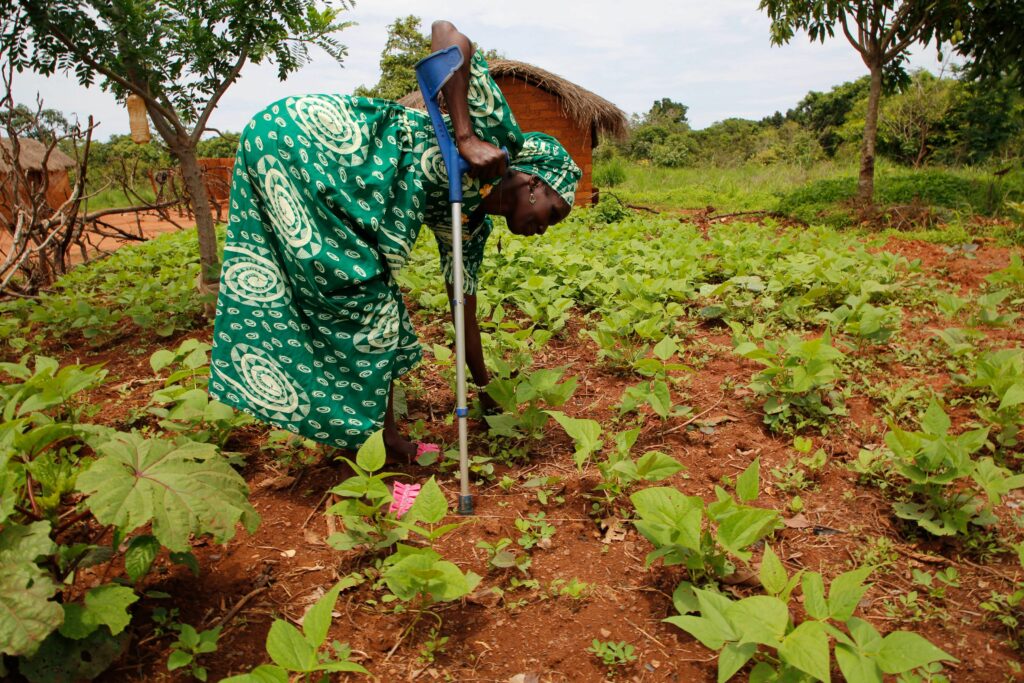
We see in the national budget that the government is concerned about small farmers and the development of local value chains. This is good and absolutely crucial for increased food security. In order for the government's new strategy to have an impact on global food security, it must make it possible for small farmers to process and store the vegetables and fruit they have grown before selling them on the local market. Furthermore, it must allow small farmers to produce food for schools. This will strengthen local businesses, create more jobs and ensure good, nutritious food for school children. And finally, the strategy must ensure that a better bridge is built between emergency response and long-term aid. This will make people in developing countries less vulnerable to future crises. It is therefore good that the government writes that long-term development must be seen in the context of peace and reconciliation work, but this requires that resources are allocated to implement it in practice.
Funding must be increased significantly
We therefore ask the Norwegian Parliament to increase the allocation in next year's state budget. Agriculture in developing countries has been chronically underfunded. This is despite the fact that the World Bank confirms that investments in agriculture are more effective at reducing poverty than investments in any other sector. There is an urgent need to reverse this trend.
In an open letter to the UN General Assembly in September, 238 organizations, including Caritas, ask for immediate action from member states to solve the hunger crises. They write, among other things, "We have already lost far too much time - the families we work with every day need action NOW. The lives of millions of girls, boys, women and men depend on the bold and courageous actions you, the UN member states, take - or fail to take. We must not let people starve to death on our watch. There is no place for hunger in the 21st century."
(Opinion piece signed by Secretary General Martha Skretteberg and published in Nationen).