

The way we have welcomed refugees from Ukraine has shown us that where there is political will, there is also a way.
Monday, June 20th, marks World Refugee Day. On this occasion, we encourage Caritas decision-makers in Norway and the rest of Europe to ensure safe escape routes, dignified reception and support for integration for all people seeking protection, regardless of their country of origin.
In 2022, more than 100 million people – around one percent of the world's population – have been displaced from their homes due to conflict, violence, human rights violations and persecution in countries such as Ethiopia, Burkina Faso, Myanmar, Nigeria, Afghanistan, Ukraine, DR Congo or Colombia. At the end of 2021, the number of people forced to flee had already reached a record high : 89.3 million. That is twice as many as ten years ago. Of these, 27.1 million fled to another country, while 53.2 million were so-called internally displaced, that is, fleeing within their own country.
Life-threatening escape
Deciding to leave your home is not an easy decision. It is often a matter of survival and life as a refugee is not easy. Many refugees live in life-threatening situations or have special needs, which mean that they cannot receive adequate protection in the countries where they have sought refuge. At the same time, due to ongoing conflict, war and persecution, they also do not have the opportunity to return home. In such cases, there is a need for resettlement in a safe third country. Every year, the United Nations High Commissioner for Refugees (UNHCR) identifies people in need of such resettlement, so-called resettlement refugees, also called quota refugees or UN refugees.
Global solidarity
Resettlement is an important tool for providing protection to the most vulnerable refugees. But it is also an effective mechanism for sharing responsibility between countries and a way to show solidarity, both with people on the move and with the countries receiving the most refugees.
The number of refugees that the UN believes are in need of resettlement is far higher than the number that receiving countries are willing to accept. Last year, the UN estimated that 1.4 million people were in need of resettlement, but only four percent of these were given the opportunity to start over in a safer country. Countries in Europe took in a total of 21,000 quota refugees .
We urge Norway and other European countries to accept more quota refugees and establish other alternative safe and legal ways to get to Europe. This is a matter of global solidarity. Countries close to conflict zones have been hosting almost 90 percent of the world's displaced people for years, despite facing major challenges of their own, exacerbated by rising hunger linked to the war in Ukraine.
Must not become the norm
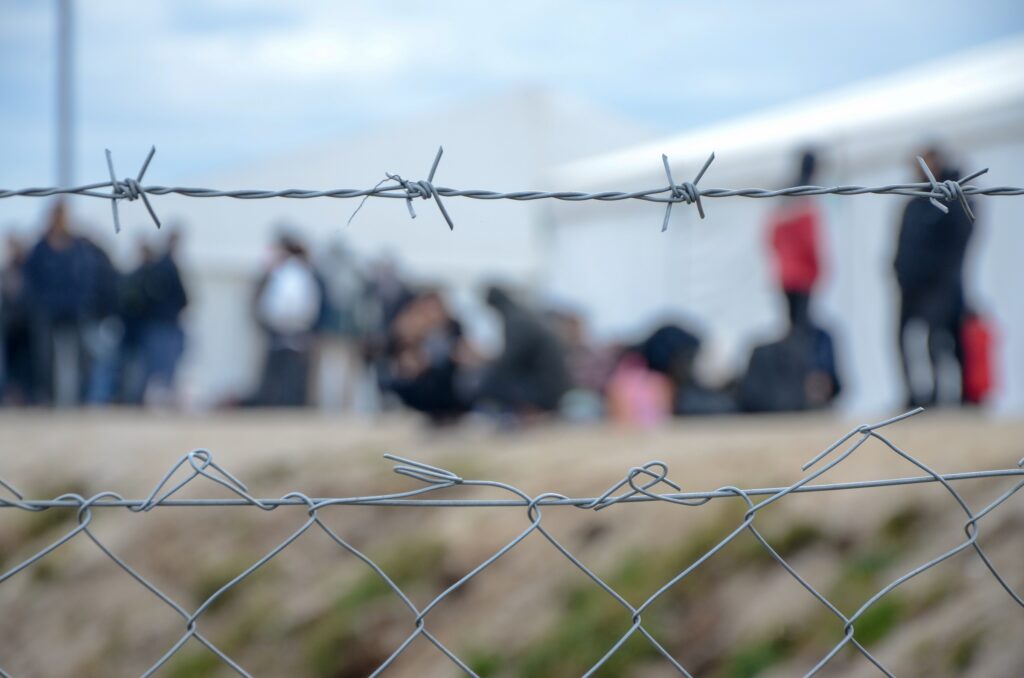
Walls and fences at borders cannot become the norm. People on the run should not be perceived as a threat, and pushback actions (where refugees are forced to turn back) at our borders must stop immediately.
The unprecedented response and immediate political solidarity that Norway and the rest of Europe have shown towards those fleeing the war in Ukraine gives hope that if only the political will is there, we will be able to make extraordinary efforts to facilitate refugees' access to protection and help them start their lives in the countries they arrive in. This is in line with European values.
A refugee is a refugee, regardless of their country of origin, and now is certainly not the time to downplay Europe's obligations to provide refugees with protection.