
Continuing work in Gaza
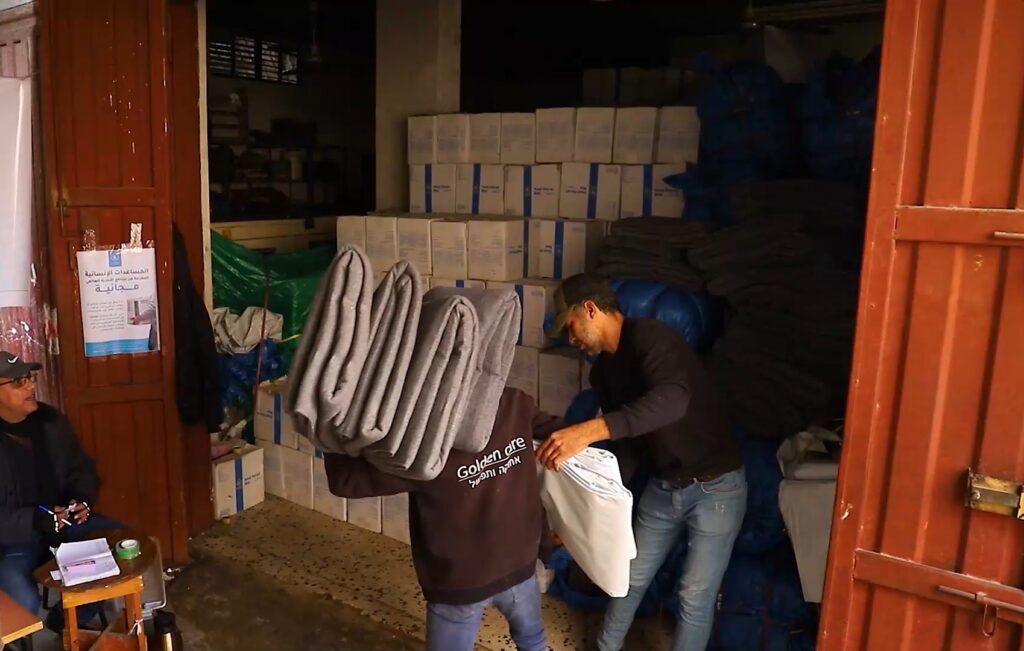
The extreme humanitarian situation in Gaza and the West Bank is worsening daily. That is why we and our partners are stepping up relief efforts – despite ongoing bombing.
Since October 7, 1.7 million Palestinians have been displaced or forced into Rafah. Israel’s declared plans to launch a ground offensive there in the coming weeks raise concerns about catastrophic consequences for the civilian population. A ceasefire must be put in place – and urgently.
Famine threatens
Without stopping the warfare and new supplies of emergency response , there is an acute risk that famine could strike at any moment. This would affect 1.1 million people, half of Gaza's population, according to the Integrated Food Security Phase Classification .
It is very demanding to carry out emergency relief work. Long and extensive preparation routines for trucks waiting to cross the border with supplies contribute to this. Intense hostilities do not make the situation any better, as does the risk of being killed yourself. Other challenges include blocked streets and a lack of fuel.
West Bank
The situation in the West Bank has also deteriorated since October 7. The number of dead and displaced people is increasing every day. Since the beginning of 2024, 55 percent of displacements have been due to home demolitions carried out by Israeli forces. In addition, 38 percent of displacements are caused by demolitions due to lack of Israeli-issued building permits, and 7 percent are due to criminal reasons. Over 276,000 jobs have been lost, equivalent to 32 percent of employment in the West Bank.
Continuing relief work
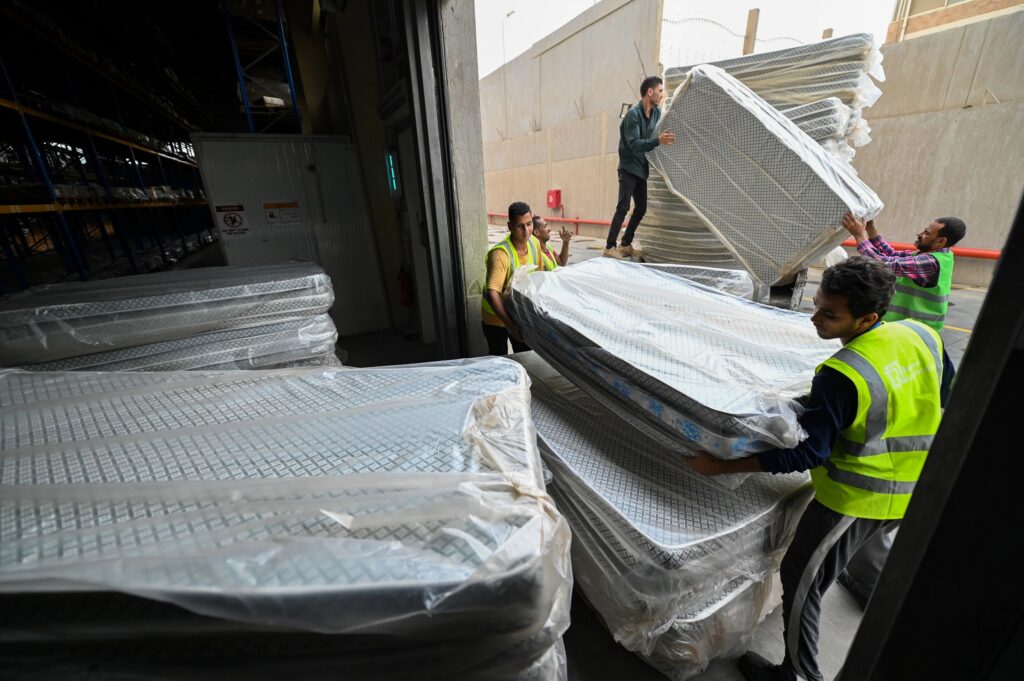
Despite the challenging situation, the Caritas and our partners worked to distribute emergency response too full.
So far, Caritas -network distributed:
- Bedding for 83,148 people
- Tarpaulins for 60,018 people
- Cash assistance to 170,022 people
- Tent for 2880 people
- Food packages for 591,576 people