
Ukraine still needs our help

According to the UN, nearly 15 million of Ukraine's population need emergency response to survive. With its local network across the country, it plays Caritas a key role in delivering aid.
After two years of full-scale war, peace is harder to envision than ever. Homes, schools, kindergartens, water systems and hospitals have come under heavy attack in 2023, and the humanitarian situation has worsened. At the same time, Caritas stepped up efforts to meet growing needs.
Since February 2022, over 250,000 Ukrainians have received assistance through projects supported by the Norwegian Ministry of Foreign Affairs. In addition, several hundred thousand have received assistance thanks to funds raised for Caritas from private donors in Norway.
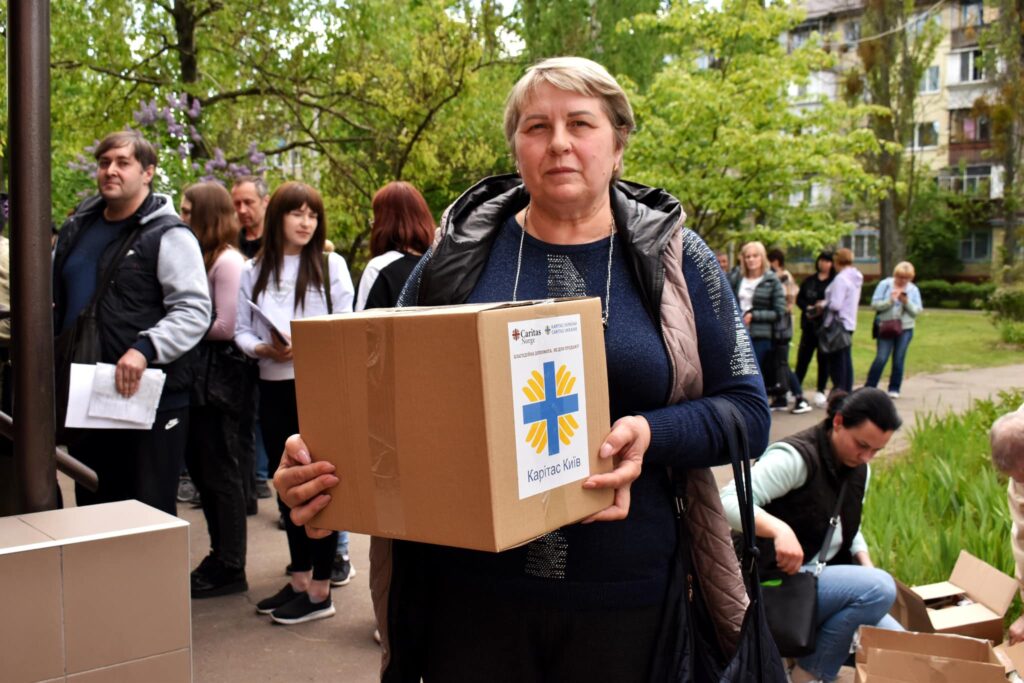
emergency response and self-rescue
Acute emergency response to meet basic needs is still the mainstay of our work. Food, clean drinking water and hygiene items are provided. The most vulnerable, such as the elderly, disabled and sick, single mothers and children, are prioritized. In addition to distributing food or money to purchase food, we also provide support for the purchase of livestock and simple agricultural equipment. The goal is to make people more self-reliant.
The ravages of war have also caused extensive damage to people's homes. Therefore, an important part of our response is to repair homes. Insulating windows and roofs that don't leak are important – especially during the freezing winter months.
Foreign Affairs Manager Tale Hungnes in Caritas Norway
But it's not just homes that have been destroyed. In the liberated areas of the Kherson region, large parts of the forest areas are mined. This makes it impossible for the population to collect firewood for cooking or other heating. The kindling briquettes we are distributing are therefore welcome and of great use during the winter.
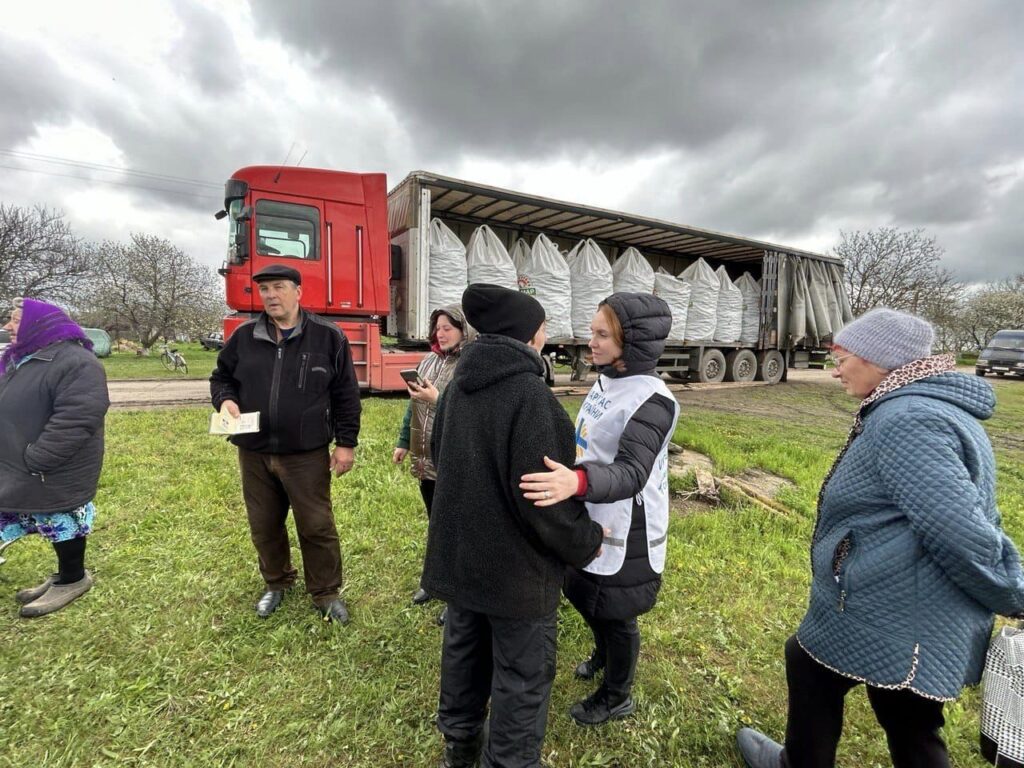
Psychosocial help
In addition to the most urgent needs, Ukrainians are tired of a war that drags on for a long time. Many have witnessed serious war crimes. And all have experienced loss in different ways: loss of family, home, job, schooling, friends, routines, and a homeland they thought they knew. Not surprisingly, this takes a toll on mental health and relationships. It is not without reason that violence in intimate relationships increases in families living in war and displacement, that health problems worsen, and that those who already had a difficult life before the war have it even worse.
In our aid work, it is therefore important to put those who are struggling the most in contact with the aid system, to avoid what they have been through creating long-term psychological and social problems.
Foreign Affairs Manager Tale Hungnes in Caritas Norway
Present throughout the country
The humanitarian situation is most precarious in the Russian-occupied areas and on the front lines. Here it is also very demanding to deliver emergency response . It is for the sake of Caritas ' employees' own safety, or simply because it is not possible to get in. Many flee these areas, but some also stay, especially the elderly.
Through our local network in all areas of the country, Caritas in a unique position. It gives us the opportunity to reach out to the most inaccessible villages, where larger international organizations without local affiliation struggle to reach out in the same way.
Foreign Affairs Manager Tale Hungnes in Caritas Norway
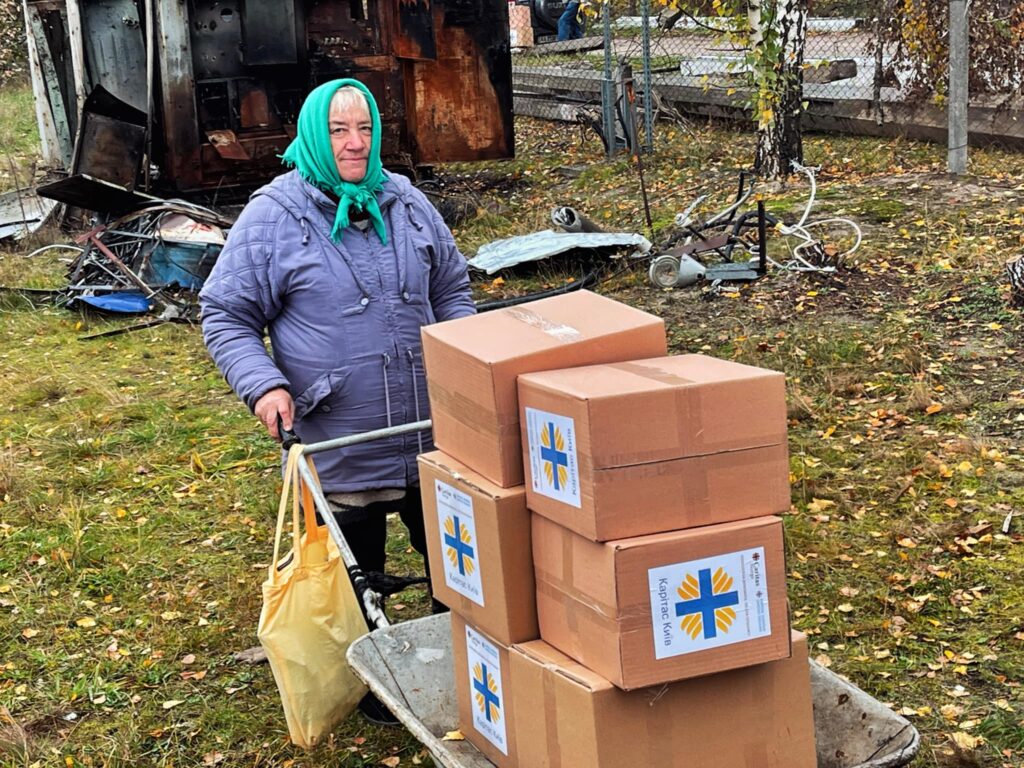
The work continues
Norwegian authorities have committed to solid and multi-year humanitarian support to Ukraine through the so-called “Nansen Package”. A recent report to the Storting mentions Caritas as an important strategic partner for Norway's humanitarian efforts in Ukraine – both in 2024 and in the years ahead. With support from Norad, Caritas This year, we will reach over 40,000 Ukrainians with help. But many more will receive help, thanks to the funds raised and used for various project activities.