Volunteering in humanitarian crises
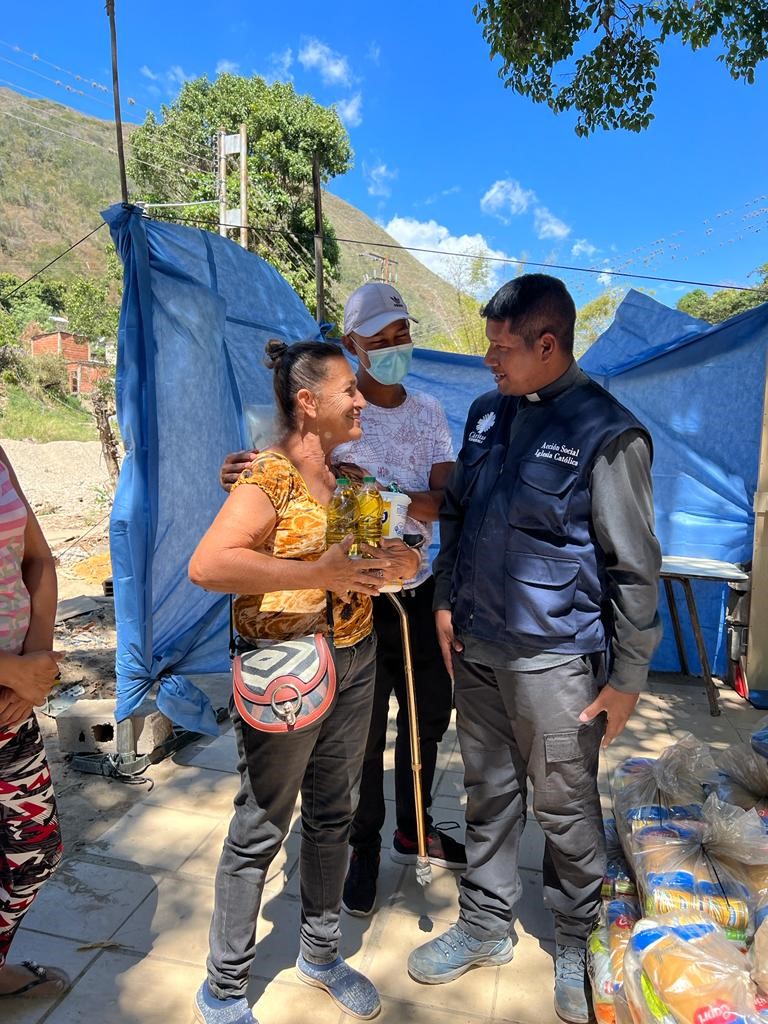
Humanitarian crises have characterized Venezuela since 2016. But in the midst of the crises, it is the volunteers who provide hope despite the fact that they are also being hit hard themselves.
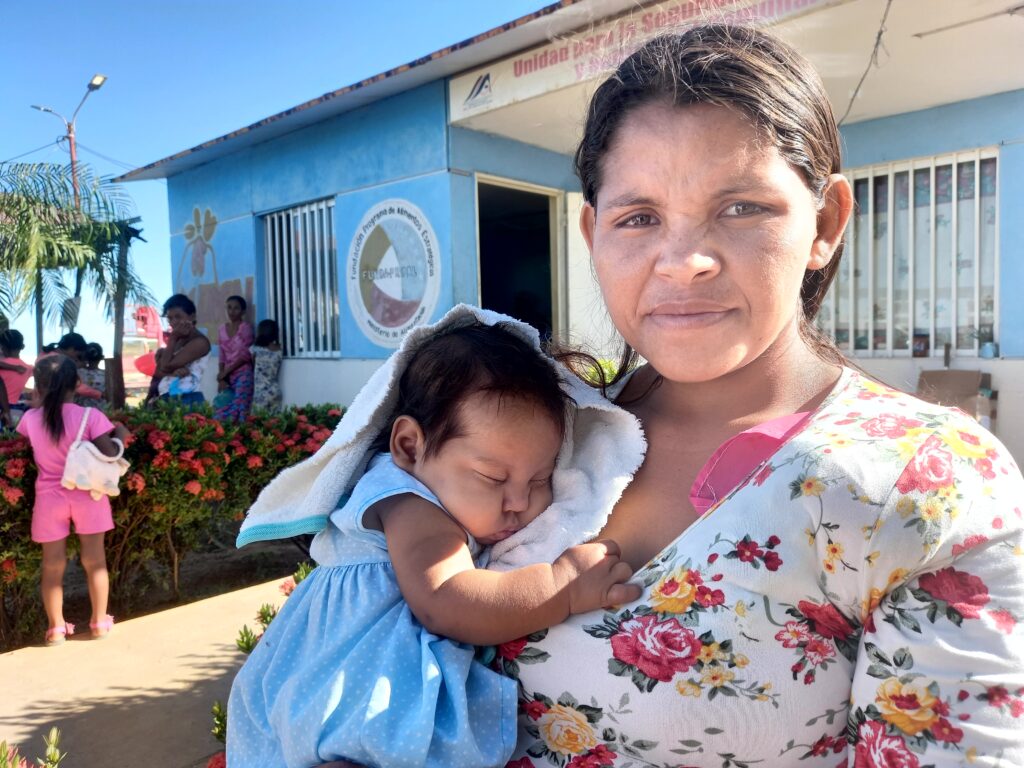
Caritas contributes with food, clean water, health services and social inclusion of young children, single parents, pregnant women, breastfeeding mothers, the elderly and the most vulnerable people in this great country. Venezuela was long one of the richest countries in the region, with its enormous oil resources. It has been a long time since oil helped lift the poorest out of poverty and into better living conditions. It has also been a long time since the most resourceful left the country.
Those who have no extra resources are left behind; parents of young children, who do not have the opportunity to travel, but also those who are waiting for Venezuela to become a better place to live again. A great many elderly people have remained. They do not want to leave their country. Many of them have become caregivers and providers for grandchildren, while the adults desperately try to earn a living in neighboring countries in the region.
The crisis triggered by the fall in oil prices
Caritas contributes with food, clean water, health services and social inclusion of young children, single parents, pregnant women, breastfeeding mothers, the elderly and the most vulnerable people in this great country. Venezuela was long one of the richest countries in the region, with its enormous oil resources. It has been a long time since oil helped lift the poorest out of poverty and into better living conditions. It has also been a long time since the most resourceful left the country.
Those who have no extra resources are left behind; parents of young children, who do not have the opportunity to travel, but also those who are waiting for Venezuela to become a better place to live again. A great many elderly people have remained. They do not want to leave their country. Many of them have become caregivers and providers for grandchildren, while the adults desperately try to earn a living in neighboring countries in the region.
Caritas when the most vulnerable
Caritas was the first organization to define the crisis in Venezuela as a humanitarian crisis in 2016. Since then, we have worked through our health centers to measure, weigh and follow up the youngest children, pregnant and breastfeeding women and their families. We have seen firsthand what the lack of food, clean water, health services and lack of income does to people. Caritas Norway first visited Venezuela in 2017, and we recently returned home after a visit in February this year. The most important thing we do is to ensure professional humanitarian assistance. We also closely monitor the projects locally and talk to the people who are being helped by our local staff and volunteers.
Humanitarian emergency response is often measured in kroner and øre, but the stories we hear when we are there from those who receive a little extra for their families are what touch us the most. It is the grandmother, who only lives on the minimum pension, but who looks after one or more grandchildren. It is the young couple with small children who have lost all income after their job disappeared, or it is the families and single parents who have no idea how they will get food for their children, every single day.
Where is Venezuela going now?
Our visits have given us encounters with people who see hope for a somewhat better life solely because Caritas and the Church visits them where they live. Such meetings make an impression, but they clearly show how important all contributions to our work are, be it the volunteerism we see locally in Venezuela or the gifts we receive for our work from all of you donors in Norway.
The situation in Venezuela in 2022 and 2023 is in many ways better than in previous years. Some of the economic sanctions have been lifted, more goods have come in, and more stores are offering basic goods that were unavailable just a few years ago. For the first time in seven years, surveys have shown that extreme poverty is less widespread.
Floods and landslides
Heavy and unpredictable rainfall, causing floods, landslides and natural disasters, seems to be increasingly affecting Venezuela. This affects the poorest the most and in 2022 this hit particularly hard. Caritas allocated additional funds for this response and reallocated other humanitarian efforts to help as many people as possible. Natural disasters have a “double” impact, in that it is largely people who are already in crisis who are also affected by this. This places high demands on us, and once again we see that it is the volunteers who reach the very front lines.
The volunteers
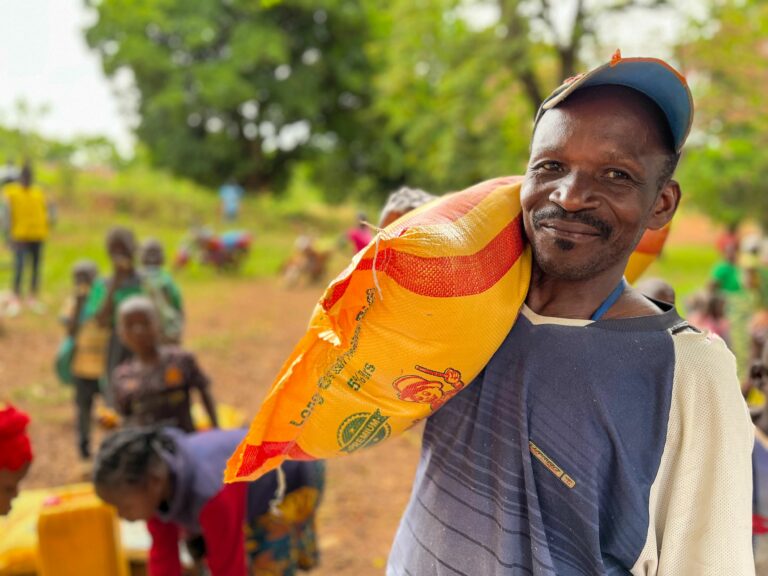
Volunteerism is key in humanitarian aid work. Caritas in Venezuela. The volunteer effort helps to reach the youngest children, pregnant women, breastfeeding mothers, the elderly and everyone with care responsibilities, whether they live in the city or in the countryside. The volunteers, together with employees in Caritas in Venezuela and in Norway, is the guarantee that we reach the most vulnerable. We also saw this during the pandemic, when Caritas Employees and volunteers walked and cycled from house to house to bring food and clean water to those who did not dare or had the opportunity to move out. Caritas is built on volunteerism, and we see that it plays a very important role, also in humanitarian crises.
Sanitary
Venezuela is in crisis. The economy has collapsed, and an uprising of political opposition to President Nicolás Maduro has put the country's leadership in question. More than 6 million refugees, asylum-seekers, and migrants from Venezuela have left the country seeking food, work, and a better life.