
Helping thousands out of poverty
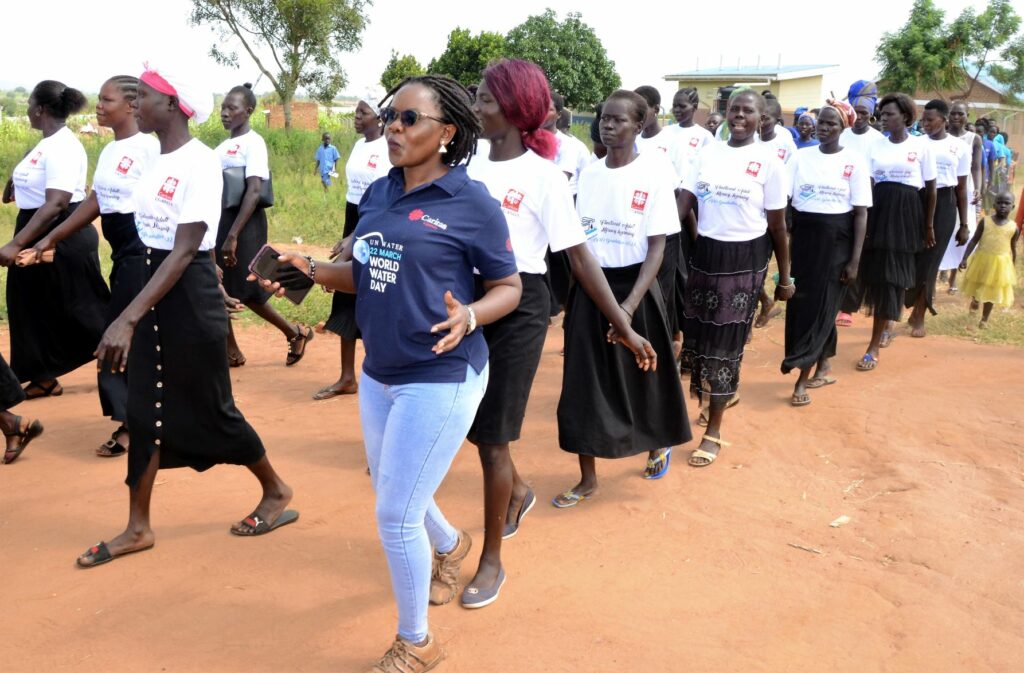
A three-year humanitarian program in the Bidibidi refugee settlement has helped 5,000 girls, young women and mothers, as well as 1,500 male family members, gain new opportunities and improve their quality of life.
The program was recently concluded and has focused on water and sanitation, literacy, entrepreneurship and vocational training, food and nutrition, climate-smart agriculture and combating gender-based violence and violence against children. With support from the Norwegian Embassy, it has been possible for Caritas Uganda to implement the program, in collaboration with Caritas Norway.
The majority have found jobs
On October 27, 103 young women, mothers from the host community and refugees, gathered for graduation after completing training in various crafts, such as soap, chalk, sandals and shoemaking, as well as literacy training.
– The girls have gained more knowledge and competence through the training, which has also given them increased self-confidence. Learning to read and write is of great importance in their lives. Now they can sign their names to receive food and in connection with health care. They can also take notes and record expenses and income in connection with the work they do.
Hellen Chanikare, national program coordinator in Caritas Uganda
She says that 90 percent of the participants are already engaged in income-generating work. Over the course of three years, 813 girls have received training in various crafts, while 240 have completed literacy training.
Better quality of life
The program has also contributed to improving hygiene and sanitation, as well as diet and the intake of nutritious food. This is good for both quality of life and mental health.
– Through the program, 1,300 households have received their own handwashing stations and training in how to use them. They have also received training in how to secure clean drinking water. In addition, 50 toilet and shower facilities have been installed for people with special needs, and 5,000 packages of menstrual products have been distributed.
Hellen Chanikare, national program coordinator in Caritas Uganda
Home-grown food
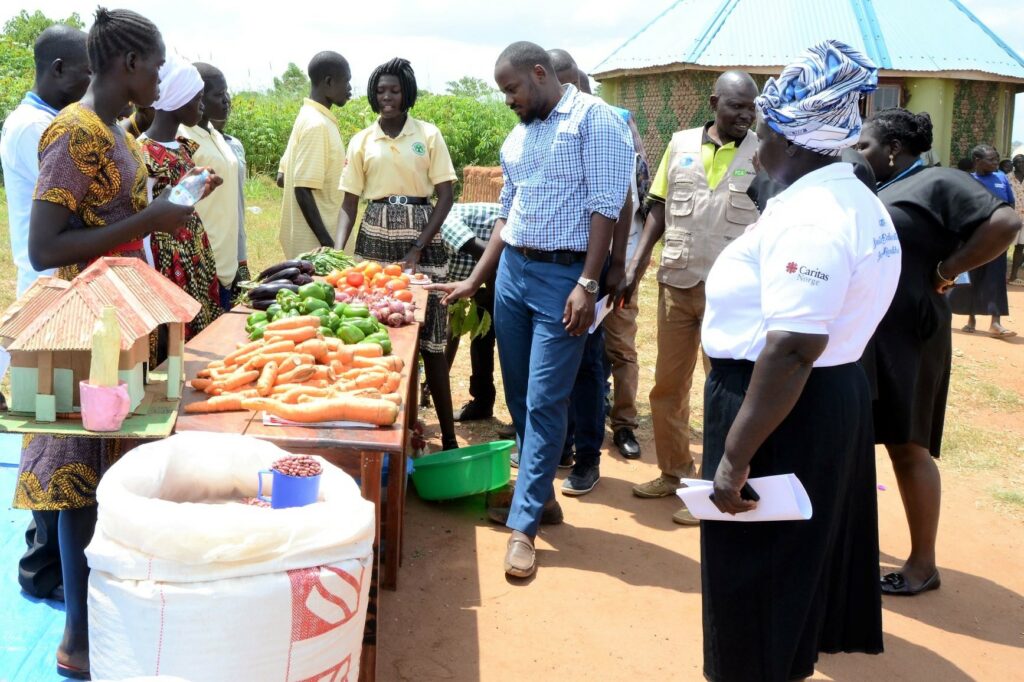
In the program, 6,150 farmers have received training in agricultural techniques – in how to preserve the quality of the vegetables and fruit that have been harvested, prevent waste and transport the food to the customer in a good way.
– In this way, food can be stored so that people have access to more nutritious food throughout the year.
Hellen Chanikare, national program coordinator in Caritas Uganda
The training is provided by 200 farmers from the host community. They are all responsible for training groups of farmers at centers where different agricultural techniques are demonstrated, and where they can practice together and share experiences. In total, 322 such groups have received training. In addition, 9,000 farmers have received information on how to adapt to climate change, and a total of 73,000 trees have been planted.