
Hoping for a better future

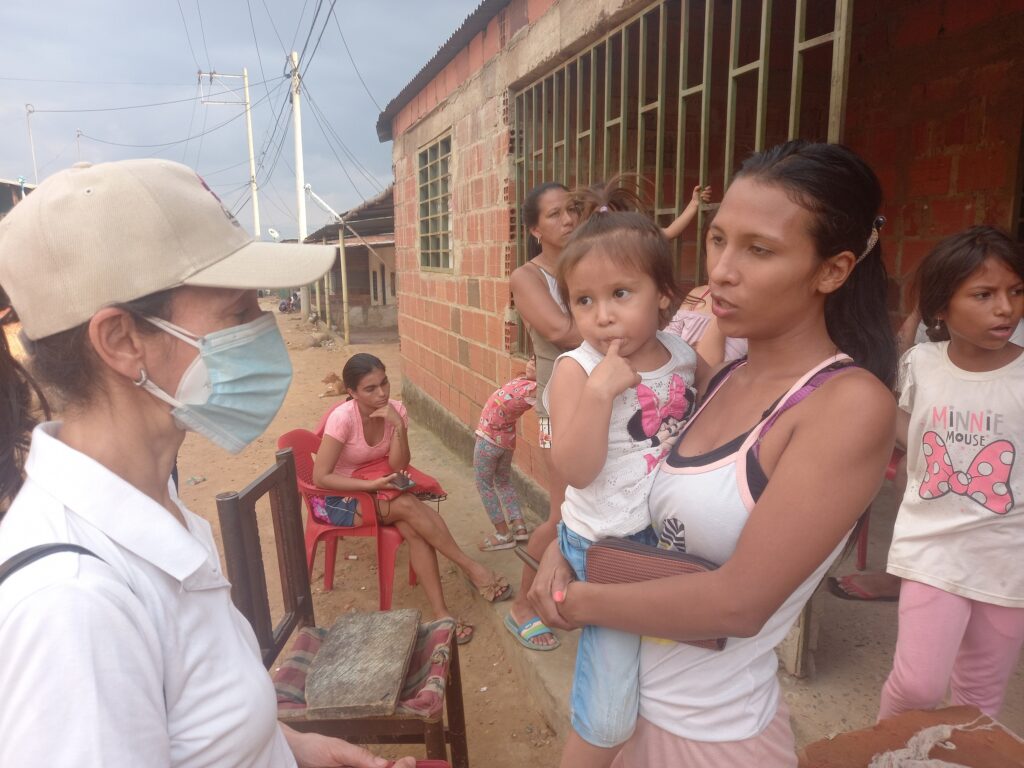
In the Colombian border city of Cúcuta, thousands of Venezuelan migrants live in temporary houses and barracks, many of whom have done so for years while they wait for residency permits and a better future.
Without a residence permit, they are unable to seek work, send their children to school or use healthcare. Many are dependent on assistance from the humanitarian team at Caritas Colombia who are in the area daily. They offer legal aid, psychosocial support, cash assistance, food vouchers and various hygiene items, as well as accommodation to those in need.
– The humanitarian crisis has led to nearly six million Venezuelans leaving the country in recent years. They are fleeing food and medicine shortages, violence and threats, and a collapsing public system. Many of them end up in Cúcuta.
secretary general martha skretteberg, caritas norway
It's been almost a week
There she met the young mother Rosany (23 years old) who has been living in the neighborhood of El Paraíso (Paradise) for more than two years, while she waits for the papers to be approved for her and her children. Just across the border, in the small Venezuelan town of San Antonio, another mother, Milagros, says that she has been walking for almost a week with her children. Her greatest wish is to be able to give them a better life, and to get a job.
– Venezuela has been hit by a deep economic and political crisis since 2013. The consequences are high unemployment, hyperinflation and extremely high prices for food and other basic goods. Many people struggle to put enough food on the table and are dependent on aid to Caritas Venezuela to survive.
secretary general martha skretteberg, caritas norway
Millions depend on help from Caritas
Across the country, the organization works to meet the population's basic needs such as food, nutrition, healthcare and clean water. Through grants from the Ministry of Foreign Affairs, Caritas Norway has contributed to the relief effort since 2018.
– We have a special focus on malnourished children under five years of age and their families, pregnant and breastfeeding women, and older caregivers responsible for young children.
secretary general martha skretteberg, caritas norway
In the town of San Cristòbal, several hundred families have turned out for the food distribution, which Caritas in the state of Táchira is at the forefront. The church is the only place where families find what they need to survive.
– Through the church and our local network of health centers and the efforts of volunteers, we reach the most vulnerable, who are our target groups. This has been especially important during the corona crisis. We reach out where the major international organizations and the UN do not.
secretary general martha skretteberg, caritas norway