
Uncertain future in Mali

Years of military presence from Norway and other countries have not helped the people of Mali much. Hunger, insecurity, climate change and a military junta in power still best describe the country.
The UN Security Council recently tried to introduce new international sanctions against Mali, which Russia and China prevented. These would be in addition to the sanctions already imposed by the Economic Community of West African States (ECOWAS). It is important to react politically against the military junta's undemocratic actions, but we ask Norway to use its position in the Council to prevent unintended negative consequences of such reactions and to work for better humanitarian access to the hard-hit population.
Postponed presidential election
After years of UN peacekeeping forces being present, the security situation is still very difficult. Several armed groups are fighting for control of resources, and the military junta has also failed to find solutions to reduce insecurity and food shortages for the population.
After two coups, the junta has also decided to postpone presidential elections until 2026. Without democratic leadership, it is difficult for the country to function and establish itself as a full partner in the region and the international community.
Caritas contributes locally
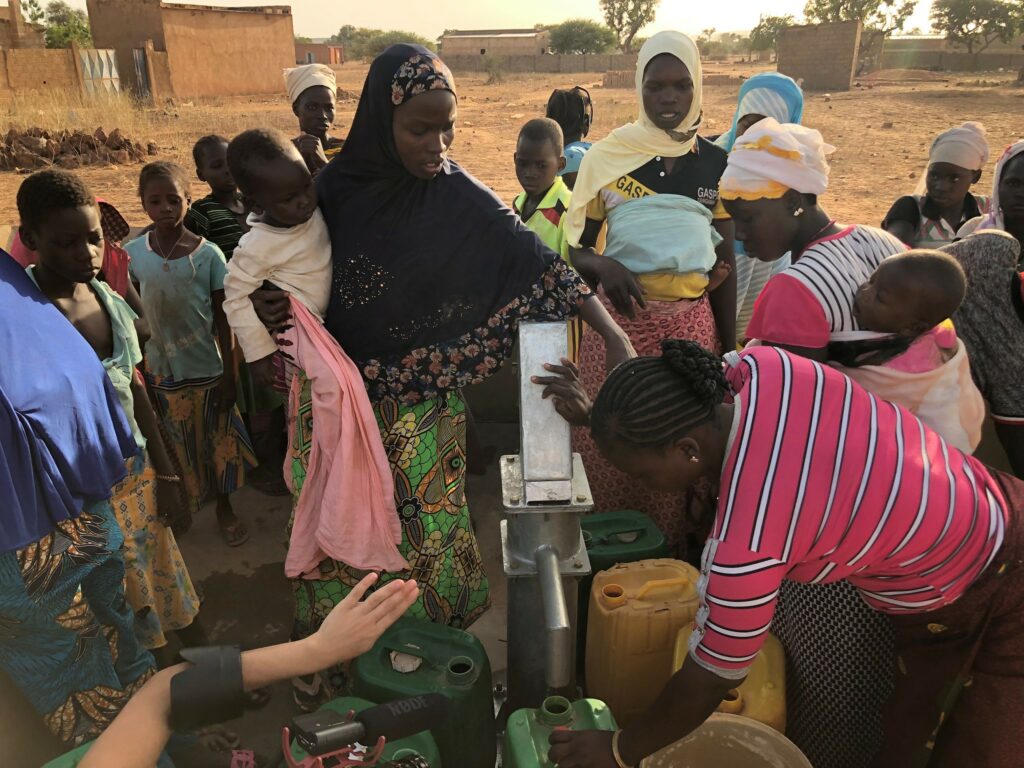
The losers are the people who, after ten years of extreme drought, spend most of their time trying to find food. In 2021, almost a third of the population of 6 million people needed help to get enough food. Food and water shortages in turn create conflict. This is where local humanitarian organizations play an important preventive role. By being where it happens, they can respond quickly. Last year, Caritas Mali reached out with aid to 57,600 people in the regions with the most acute food shortages.
Through training in climate-smart agriculture and the establishment of kitchen gardens, people are able to grow their own food and earn a small income for their families. They also receive help to start up savings and loan groups.
Youth must be given hope
This is a poor consolation in an otherwise hopeless existence. For a better future, the country is dependent on long-term solutions that include better agricultural policy and democratic governance. food security and job opportunities for young people are important in this context. There is also an increased focus on strengthening local actors and preparedness, which in turn will provide communities that are better equipped for extreme weather and conflict.
If the population has food, opportunities and work, there is less risk of young people and other vulnerable people joining extremist groups. The young population must be given hope for a better and more sustainable future. It is therefore important that the Malian government includes all ethnic groups in its efforts to resolve the country's many conflicts, and ensures that citizens have their basic rights fulfilled.
Norway should use its seat on the Security Council to ensure that future political reactions against the military junta do not make matters worse for a hard-pressed population, while at the same time supporting initiatives that create reconciliation locally.
(Opinion piece signed by Secretary General Martha Skretteberg)